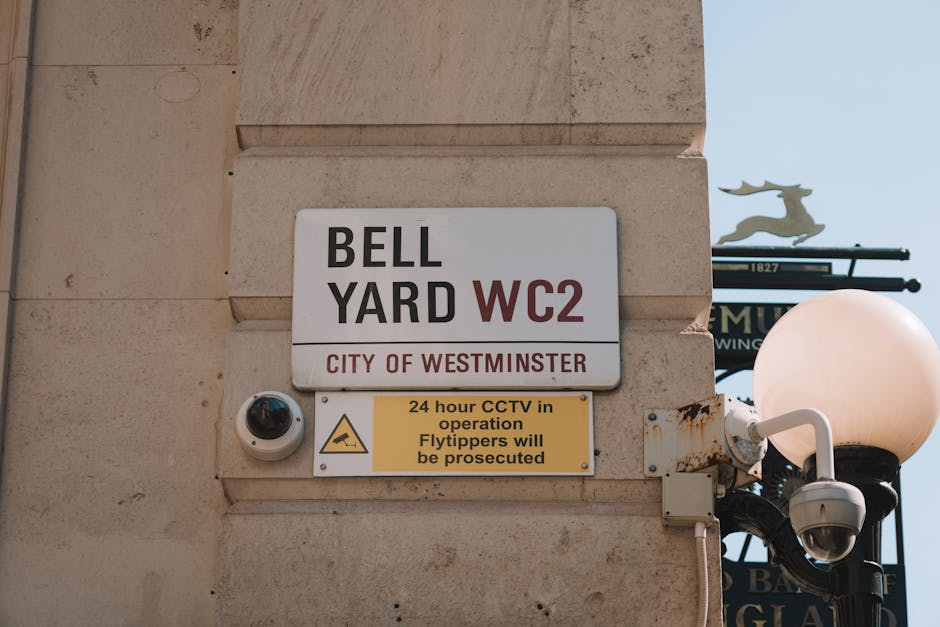
Westminster Council permits for Mayfair moving vans
Posted on 26/06/2026

Westminster Council permits for Mayfair moving vans: what you need to know before move day
If you are planning a move in Mayfair, the parking side of the job can become the part that quietly causes the most stress. Westminster Council permits for Mayfair moving vans are often the difference between a tidy, well-run move and a morning spent circling the block, watching the clock, and hoping a loading bay opens up. In a neighbourhood where space is tight and access can be fussy, a little permit planning goes a long way.
This guide explains how moving van permits generally work in Westminster, why they matter in Mayfair, when you may need one, and how to reduce the chance of delays. It also covers practical checks, common mistakes, and the kind of real-world detail people usually wish they had before the first box is even lifted. To be fair, that is usually when the panic starts.
Expert summary: if your van is likely to stop on a restricted street, outside a managed bay, or near a busy Mayfair building with limited access, you should treat parking permissions as part of the move plan, not an afterthought.
Why Westminster Council permits for Mayfair moving vans Matters
Mayfair is not the kind of place where a removal van can simply pull up and stay put without anyone noticing. Streets are narrow, traffic is dense, parking is controlled, and many buildings sit in locations where access looks simple on a map but feels very different in real life. A permit, bay suspension, or loading approval can help you secure the space you need, avoid penalties, and keep the move moving.
There is also the human side. If you have movers carrying wardrobes, fragile artwork, a sofa that just barely fits, or a piano, every extra minute at the kerb matters. A smooth loading arrangement keeps the team focused on the job instead of rushing because a warden is nearby or another vehicle wants the space. In practice, the permit is not just bureaucracy. It is part of the logistics.
And yes, some moves technically can happen without any special parking arrangement. But that depends on the exact street, the time of day, the type of vehicle, and whether the bay is already restricted. That is why a cautious, local approach tends to save time and awkward conversations later.
If you are also comparing moving support options, it can help to look at a broader services overview and decide whether you need full removals, a lighter van setup, or something in between.
How Westminster Council permits for Mayfair moving vans Works
In plain English, a moving permit is permission to use a specific area of road or parking space in a controlled way for a set period of time. In Westminster, that may involve resident bays, pay-and-display bays, loading areas, suspension of a parking bay, or another local arrangement depending on the street and the nature of the stop.
Mayfair presents a few extra wrinkles. Some roads are heavily used, some buildings have shared entrances or tight frontages, and some streets are simply less forgiving if a van arrives late. A permit request usually needs enough lead time to be processed, and the exact details matter: vehicle size, registration, date, times, location, and what the van will be doing there.
It is worth saying clearly: the requirements can vary, and the rules may change by street, bay type, or circumstance. So you should always treat the council process as something to confirm rather than assume. That sounds obvious, but people do forget it. Usually when they are already on the phone to the driver, slightly flustered, standing in the rain.
For many household moves, the permit question is tied to a wider parking strategy. For example, a Mayfair flat move may benefit from a smaller van and more precise timing, while a house move may need a larger vehicle and stronger loading access. If you are arranging the move itself, you may want to review flat removals in Mayfair or house removals in Mayfair depending on the property type.
Key Benefits and Practical Advantages
The main value of getting parking permissions right is simple: less friction on the day. But there are several other benefits that are easy to overlook until you are in the middle of the move.
- Reduced risk of fines or enforcement issues. A controlled stop is much safer than a guess.
- Better timekeeping. Movers can work to a realistic schedule instead of waiting for a space.
- Less physical strain. Shorter carries from van to property mean fewer awkward lifts and fewer near-misses on the pavement.
- Improved protection for your belongings. Delays tend to increase handling stress, and that is never helpful with glass, antiques, or furniture.
- More considerate to neighbours and building staff. Nobody enjoys a blocked entrance or a van idling in the wrong place.
There is also a cost-benefit angle. Even if a permit adds an extra admin step, it may still be cheaper than paying for avoidable delays, rescheduling helpers, or dealing with a failed loading plan. In a place like Mayfair, one small access problem can ripple through the whole morning.
If your move includes bulky or specialist items, it is worth pairing the parking plan with the right service. For example, furniture removals in Mayfair can be the better fit when you are dealing with heavy pieces that need space and method, while piano removals in Mayfair demand even tighter coordination.
Practical takeaway: In Mayfair, parking is not just a driving issue. It is a moving issue, a safety issue, and often a time issue too. Sort the access plan first, and the rest feels much easier.
Who This Is For and When It Makes Sense
Not every move needs the same level of parking planning. A tiny hand-carry job from a serviced apartment is one thing. A full house move with wardrobe boxes, dining tables, and protective wrapping is another. The permit question matters most when your van will need to stop on or near a controlled street, or when the property access makes loading awkward without a dedicated space.
This is especially relevant if you are:
- moving into or out of a Mayfair flat with limited street frontage
- relocating from a period property with narrow entry points
- moving during a busy weekday when loading spaces are under pressure
- arranging a same-day or last-minute move
- handling larger furniture, art, or delicate items
- coordinating around concierge, building management, or timed access
Students, renters, landlords, downsizers, and office teams all run into this in different ways. A student move may be quick but awkward in terms of curb access. An office move may require a van to sit longer and load more systematically. And if you are only shifting a few items, a smaller vehicle may fit the street better and make the whole situation calmer.
For smaller or more flexible moves, you might also compare man with van in Mayfair and man and van in Mayfair options to see which level of support suits the route and volume.
Step-by-Step Guidance
Here is a practical way to approach Westminster Council permits for Mayfair moving vans without making the process harder than it needs to be.
- Check the exact property location. The street name alone is not always enough. Side roads, bay types, and frontage can all change the plan.
- Work out what kind of van you need. A larger removal van may need more space, while a smaller van may be easier to park near the property.
- Assess whether loading can happen from the kerb. If the route from van to door is long, steep, or obstructed, you may need a better access arrangement.
- Confirm timing. Morning moves are often easier in practice, though not always. Midday traffic can turn a simple job into a slow one.
- Arrange the permit or parking permission early. Leave a cushion for admin and unexpected changes. Last-minute requests are possible sometimes, but do not rely on luck.
- Share access details with the movers. The driver should know where to stop, which entrance to use, and whether there are building restrictions.
- Prepare the property. Clear hallways, protect floors, and have boxes ready so the loading window is used well.
- Have a backup plan. If the first bay is unavailable, know the nearest alternative before the van arrives.
A small but useful habit: walk the route from kerb to front door before moving day. You will notice uneven paving, door swings, low steps, or a very awkward corner. That little ten-minute walk can save a lot of shouting later. Not glamorous, but effective.
Expert Tips for Better Results
Experience tends to show up in the small things. Here are the details that make Mayfair moves work better.
Choose the van size with care. Bigger is not always better. In a tight street, a slightly smaller van may be the smarter choice if it can load and unload more cleanly.
Don't leave access until the booking confirmation stage. The parking plan should be part of the first conversation, not a side note someone remembers at 6 p.m. the night before.
Match the move type to the property. A compact flat move, a house move, and an office move all place different demands on loading time and parking space. If you are unsure, see the broader category of removal services in Mayfair to understand how the job may be structured.
Protect the building as well as the goods. Mayfair homes often include polished surfaces, narrow staircases, and older finishes that need care. One scuffed bannister or scratched floor can feel surprisingly painful, especially in a lovely property.
Plan for weather. Rain, slush, or even a bright but busy morning can change how long loading takes. A little extra time is worth it.
And yes, sometimes the simplest thing helps most: if a space is available for only a short window, make sure the boxes are already labelled, wrapped, and stacked in the order they need to go. It sounds basic, but basic is often what wins.
For delicate interiors, it is sensible to pair access planning with protecting period floors during Mayfair property moves and similar preparation so the job stays tidy from pavement to hallway.

Common Mistakes to Avoid
Most permit-related headaches come from a handful of predictable mistakes. The good news? They are easy to avoid once you know what to look for.
- Assuming street parking will be fine. In Westminster, "probably okay" is not a plan.
- Booking the van before checking access. You may end up with the wrong size or a vehicle that cannot stop where you need it.
- Ignoring building rules. Some Mayfair properties have their own rules about loading, lifts, or arrival times.
- Forgetting about suspension lead time. If a bay needs to be suspended, the process may not be instant.
- Underestimating the time needed to carry items. A short street carry is manageable; a long one can quickly eat into the schedule.
- Not warning neighbours or concierge staff. A little communication can prevent a lot of friction.
One of the more common problems is the "we can squeeze it in" mindset. Sometimes you can. Often you cannot. And if you are moving a velvet sofa through a narrow entrance while everyone is trying to be polite and no one wants to block the road, you will feel the difference immediately.
If your move needs to happen quickly, a same day removals in Mayfair arrangement may still be possible, but the access planning has to be sharper, not looser.
Tools, Resources and Recommendations
You do not need a toolkit full of specialist gadgets to get a Mayfair move right, but a few practical resources help a lot. Think of them as move-day insurance for your sanity.
- A written move plan. Include time slots, addresses, contact names, and access notes.
- Floor plan or room list. Even a rough sketch helps the unloading order.
- Boxes and labels. If items are labelled by room, unloading becomes much smoother.
- Protective materials. Blankets, floor coverings, and corner protection are worth having.
- Parking confirmation details. Keep all access notes in one place.
It also helps to read the company's own policies when choosing a mover. That way you know how they handle security, damaged items, payments, and complaints if something goes sideways. Not because you expect trouble, but because trust is easier when the basics are clear. You can review insurance and safety, payment and security, and terms and conditions before you commit.
If you are still comparing support levels, it may also be useful to read about removal companies in Mayfair versus smaller-format help. The right fit depends on whether you need muscle, coordination, specialist handling, or all three.
Law, Compliance, Standards, or Best Practice
Parking permissions and moving-related access in Westminster are governed by local rules and traffic controls, so the safest approach is always to check the current requirements for the specific street and date. This article is not a substitute for official council guidance or legal advice, and it should not be read as one. What matters in practice is staying within the relevant parking conditions, respecting loading restrictions, and making sure the vehicle is allowed to stop where it needs to.
Best practice usually means a few simple things: confirm the street restrictions, allow enough lead time, tell the mover exactly where the van may stand, and keep proof of any arranged permission with you on the day. If the building has additional requirements, follow those too. In a neighbourhood like Mayfair, the most efficient move is the one that is both organised and considerate.
From a safety point of view, good moving practice also means protecting walkways, avoiding blocked exits, and not overloading staff with awkward carries. That is especially relevant in older properties, shared blocks, and buildings with narrower staircases. If you are preparing for a more complex move, the company's health and safety policy can also give you a sense of how they think about risk and safe handling.
Options, Methods, or Comparison Table
Different moves call for different access approaches. Here is a simple comparison that may help you choose the right method before move day.
| Method | Best for | Typical advantage | Possible downside |
|---|---|---|---|
| Pre-arranged council permission | Controlled streets and formal loading needs | Clearer parking certainty | May need lead time |
| Short kerbside loading with a small van | Compact moves or lighter loads | Faster in tight streets | Limited capacity |
| Full removal vehicle with organised bay access | Larger household or office moves | Efficient loading of heavy items | More planning required |
| Staged move with storage support | Renovations or complex handovers | Reduces pressure on the moving day | Extra coordination needed |
In Mayfair, the "best" method is often the one that protects time. For a small apartment, a nimble setup can work beautifully. For a larger residence, you may need a more structured solution with storage or a second trip. If that sounds like your situation, storage in Mayfair can sometimes take the pressure off the timetable.
Case Study or Real-World Example
Here is a simple real-world style scenario. A couple moving out of a Mayfair flat near a busy junction had a decent-sized load but very little kerb space. The original idea was to arrive early and "see what happens." That sounded flexible, but it would have been a gamble. Instead, they checked the parking situation in advance, used a smaller van than they first planned, and aligned the loading window with a quieter part of the morning.
The result was not dramatic. That is the point. The van arrived, the team loaded boxes efficiently, the walk from door to vehicle stayed short, and nobody had to improvise around a blocked entrance. The move was still tiring, because moving always is, but it was orderly. And orderly is underrated.
A similar approach works well for streets where access is especially sensitive, like those around South Audley Street parking access in Mayfair or when you are trying to keep a move controlled around busy routes such as moving on Berkeley Square. The streets are different, but the lesson is the same: plan the stop before you plan the carry.
Practical Checklist
Use this checklist the day before and again on the morning of the move.
- Confirm the move date and time with everyone involved
- Check whether your street needs a permit, bay suspension, or loading permission
- Verify the exact van size and registration details
- Share access notes with the driver and movers
- Tell the building concierge or manager if needed
- Pack and label boxes by room
- Protect floors, corners, and fragile surfaces
- Keep important documents and keys separate
- Have a backup parking plan in case the first spot is unavailable
- Leave a little margin in the schedule, because things do run late now and then
One small tip that saves real stress: keep a single message thread or note with all access details. If someone asks, "Where exactly should the van stop?" you should not be hunting through three apps and a forgotten text from Tuesday.
Conclusion
Westminster Council permits for Mayfair moving vans are really about making a busy, tightly controlled part of London feel manageable on move day. When parking, access, and timing are thought through properly, the whole process becomes calmer, safer, and much more predictable. That matters whether you are moving a studio flat, a family home, or a carefully handled item that needs a bit of extra respect.
The best moves in Mayfair usually look simple from the outside because the planning happened early. That is the trick. A good permit strategy, the right vehicle, and clear instructions to the movers can save a surprising amount of stress. And once the boxes are inside and the kettle is on, you will be glad you took the time.
If you are still mapping out the practical side of your move, it is sensible to explore the broader removals in Mayfair options and choose the service level that fits your property, your access, and your timetable.
Get a free quote today and see how much you can save.