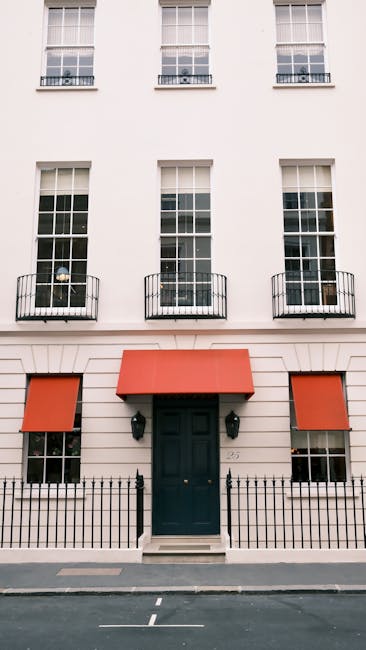
Protecting period floors during Mayfair property moves
Posted on 18/06/2026
Moving in Mayfair is never just about boxes and schedules. In a lot of properties here, the floors are part of the story: original timber boards, parquet laid decades ago, stone thresholds that have seen generations of footsteps, and decorative finishes that do not forgive careless handling. Protecting period floors during Mayfair property moves is therefore not a nice extra. It is a proper moving priority.
If you are preparing for a house move, flat move, or even a partial relocation, floor protection can save you from scratches, dents, scuffs, and the sort of slow, expensive wear that only becomes obvious after the furniture has gone. This guide explains what good protection looks like, why it matters in historic Mayfair homes, how professionals usually approach it, and what you can do to make the day calmer and safer. If you are comparing moving options, you may also find it useful to read about removals in Mayfair and the wider range of moving services available.
Truth be told, period floors can be delicate in ways people do not always expect. The surface may look sturdy, yet a single trolley wheel, damp boot sole, or sharp box edge can leave a mark that lingers. Let's make sure that does not happen.
Why Protecting period floors during Mayfair property moves Matters
Mayfair properties often combine prestige with age. That combination is lovely for character, and slightly nerve-racking on moving day. Period floors can include softwood boards, herringbone parquet, marquetry details, marble, limestone, encaustic tiles, and restored finishes that look beautiful but react badly to drag marks, moisture, grit, and impact.
The problem is not only visible damage. A floor can also suffer hidden stress. For example, repeated point pressure from a dolly, stacked boxes left in one place for too long, or trapped grit under a temporary covering can wear a finish down gradually. By the time you notice, the repair may involve sanding, refinishing, or specialist restoration. And that can be far more disruptive than putting the right protection in place from the start.
There is also the practical side. Historic homes and high-value flats in Mayfair often have narrow hallways, awkward turns, and staircases that make movement tricky. That means heavy items are more likely to pivot, tilt, or brush against the floor. The tighter the route, the more important the preparation. If your move involves tight access, it is worth reading about narrow Mayfair staircases and van solutions for tight homes because the route itself can change how floor protection should be planned.
In our experience, period floors are also emotional assets. People move into these homes because they value the feel of them. You can hear the boards underfoot. You notice the slight unevenness, the shine in the grain, the age. It is part of the appeal. So yes, protecting the floor is about avoiding repair costs, but it is also about preserving the home's character. That matters more than most moving checklists admit.
Expert summary: The safest way to protect period floors is to plan for the route, the weight, and the surface type before anything is moved. Floor protection works best when it is layered, secured, and matched to the specific finish in the property.
How Protecting period floors during Mayfair property moves Works
Good floor protection is not one product or one method. It is a small system. First, the team identifies the floor type and the likely traffic route. Then they choose materials that will spread weight, absorb impact, and reduce friction. After that, everything has to be fitted so it stays in place while items are carried through.
For period floors, the basic idea is to create a temporary barrier between the surface and the movement taking place above it. That barrier might include felt, breathable coverings, hardboard sheets, cardboard layers, adhesive film, reusable runners, or a combination of these. The right choice depends on the floor and the type of move. A piano, for instance, calls for much more substantial protection than a small box shuffle. If you are moving a heavy upright or grand, it may be sensible to look at piano removals in Mayfair as a specialist service where floor care is built into the handling plan.
The other part of the system is route control. That simply means minimising unnecessary foot traffic. The fewer people wandering in and out with dirty soles or loose items, the better. A well-run move has a clear entry point, a clear staging area, and a protected path that stays protected until the last item leaves.
One small but important detail: floor protection only works if the surface beneath it is reasonably clean and dry. Dust trapped under a protective sheet can act like sandpaper. Moisture can cause slipping or staining. So the prep stage matters, even if it feels a bit dull. To be fair, most good moving protection is dull right up until it saves the day.
Key Benefits and Practical Advantages
Protecting period floors during a move gives you more than cosmetic peace of mind. It improves the pace, safety, and professionalism of the whole day.
- Reduced risk of scratches and dents: Especially useful for timber, parquet, and stone finishes that show damage quickly.
- Less chance of slipping: A properly laid covering can improve grip for people carrying items.
- Better weight distribution: Hardboard or similar sheets can spread the load from trolleys and boxes.
- Cleaner moving routes: Protection can stop dirt, grit, and damp being spread through the property.
- Lower chance of disputes: Clear protection reduces the risk of arguments over post-move damage.
- More efficient handling: When the route is organised, the move tends to run more smoothly.
There is also a psychological benefit that is easy to underestimate. When a property looks cared for, everyone tends to move more carefully. People slow down a touch. They stop dragging. They lift properly. It changes the feel of the day. That can be the difference between a hectic scramble and a controlled, almost quiet flow of movement.
If you are dealing with antiques or awkward furniture, this becomes even more important. Heavy items may need turning on the spot, and every turn is a chance for the floor to take a hit. For older pieces and high-value contents, you may want to explore furniture removals in Mayfair alongside general protection planning, because the way an item is handled affects the floor as much as the item itself.
Who This Is For and When It Makes Sense
This topic matters for more people than you might think. It is not only for luxury homes or obvious heritage buildings. Any property with original or refined flooring can benefit.
It is especially relevant if you are:
- moving in or out of a period townhouse
- relocating from a converted flat with original timber floors
- handling a move with antiques, pianos, or heavy furniture
- using narrow hallways, staircases, or shared entrances
- working in a property that has recently been renovated but still includes older floor finishes
- planning a same-day or emergency move where speed could create risk
It also makes sense when you expect a lot of foot traffic. A small move with just two people and a few boxes may only need modest protection. But if several movers are coming and going, or if furniture has to be staged inside the property, floor safeguarding becomes much more important. Emergency moves are a good example. When time is short, the temptation is to skip the fiddly bits. That is exactly when mistakes happen. If your move is time-sensitive, a quick look at same-day removals in Mayfair can be useful, because fast moves still need careful surface protection.
Students, tenants, landlords, and buyers can all benefit too. A tenant wants to avoid deposit disputes. A landlord wants to hand over a property in good order. A buyer wants to protect the space they have just invested in. If you are in the middle of a purchase, the background work in house buying in Mayfair may help you understand why protecting interiors during the handover matters so much.
Step-by-Step Guidance
Here is a practical way to think through floor protection before moving day. No drama, no jargon. Just a sensible order of operations.
- Inspect the floor type. Timber, parquet, stone, tile, and vinyl all behave differently. Note any worn patches, loose boards, or previous repairs.
- Clear and clean the route. Remove loose grit, dust, and anything that could cause slipping or scratching.
- Map the movement path. Identify the front door, hall, turns, stairs, and any narrow bottlenecks. For complex layouts, a moving plan is worth its weight in gold.
- Choose the right protection layers. Use breathable, non-staining materials that suit the surface and the expected load.
- Secure the coverings. Tape edges where suitable, but avoid aggressive adhesive directly on delicate finishes. That is one of those little things that can turn into a bigger mess later.
- Build a staging area. Boxes should be stacked off the protected main route if possible, so the walkway stays clear.
- Use proper lifting and rolling techniques. Carry items carefully, and roll only where the protection can actually support the load.
- Check the protection during the move. Midway through, take a moment to make sure nothing has shifted or bunched up.
- Remove coverings gently. Lift materials rather than dragging them across the surface.
- Inspect the floor afterwards. Look for marks, lifted finish, trapped moisture, or adhesive residue.
A small but realistic example: imagine a move from a Mayfair flat with a narrow entrance hall and original oak boards. The movers bring in wardrobes, a sofa, and several heavy boxes. If the boards are only partly protected, the unprotected edge near the door may take repeated scuffs every time someone steps over the threshold. One overlooked corner, and that's where the damage appears. Happens all the time.
If the move also includes boxes, the packing phase matters too. A lot. Poorly packed boxes are more likely to burst, tilt, or be carried awkwardly, which puts extra strain on the floor route. That is why packing and boxes in Mayfair can be a helpful companion service rather than an afterthought.
Expert Tips for Better Results
There are a few habits that make floor protection noticeably better. None are complicated, but together they matter.
- Match the protection to the floor, not the other way around. Soft timber needs a different approach from stone or tile.
- Do not trap grit under coverings. A quick sweep first can prevent slow abrasion.
- Use a staged access system. One clear entrance and one clear walkway is usually cleaner than multiple ad hoc routes.
- Protect thresholds and corners. The edges are often the first place damage appears.
- Think about weather. On a damp London day, wet shoes and umbrellas can quickly create risk. It sounds obvious, but in the rush of a move, obvious things get missed.
- Keep drinks and food away from the route. Spills on period floors are just not worth it.
- Use furniture sliders carefully. They can help, but only if the surface and item weight suit them.
If the property contains particularly valuable or fragile items, a specialist moving team can reduce handling errors. There is a reason people use man and van services in Mayfair or broader removal services in Mayfair when things are tight, not because the job is glamorous, but because sensible handling saves trouble.
And one more thing: if someone on the team says, "It'll be fine without extra covering," maybe pause. Fine for whom? Not for the floor. Not usually. Better to overprepare by a small margin than spend the next month staring at a fresh scuff by the skirting board.
Common Mistakes to Avoid
Most floor damage during moves comes from a short list of predictable errors. The good news is that nearly all of them are preventable.
- Using the wrong material: Some covers are too thin, too slippery, or not suitable for delicate finishes.
- Skipping the clean-down first: Even tiny bits of grit can act like an abrasive.
- Leaving gaps: One uncovered strip can catch repeated footfall all day long.
- Using too much tape: Adhesive residue is a nuisance, especially on older floors.
- Dragging furniture instead of lifting: That is one of the fastest ways to create visible damage.
- Ignoring damp: Water, condensation, or muddy shoe soles can stain or warp certain finishes.
- Forgetting about corners and thresholds: These take a lot of impact and are easy to overlook.
A subtle but common mistake is assuming that because a floor is old, a few marks will not matter. In reality, age often makes the flooring more valuable, not less. A worn original surface can still be worth preserving exactly because it is original. That distinction matters, especially in a place like Mayfair where character and condition both carry weight.
Another trap is poor timing. A team might lay protection too early and then walk over it for hours before the move begins. That gives dust time to build up underneath. Better to install it close to the actual movement window, once the route is cleaned and ready.
Tools, Resources and Recommendations
You do not need a warehouse of equipment to protect period floors well. Usually, a few carefully chosen items are enough.
| Tool or material | Best use | Things to watch |
|---|---|---|
| Breathable floor runners | General hallway and route protection | Must lie flat and not bunch up |
| Hardboard sheets | Spreading weight under heavy traffic | Can be cumbersome if poorly fitted |
| Cardboard layers | Light to moderate protection for short moves | Less durable under heavy load or damp conditions |
| Protective film | Temporary protection for clean surfaces | Not ideal for every old floor finish |
| Felt pads and corner guards | Furniture contact points and edges | Need checking before movement starts |
| Furniture sliders | Short-distance repositioning | Should be chosen carefully for floor type |
The most sensible recommendation is to think in layers: clean first, cover second, move third, inspect after. Simple enough. You may also want to ask whether the property needs temporary storage before or after the move. Delaying the main delivery can reduce pressure on floors and hallways, especially if the new place is not fully ready. For that, storage in Mayfair can be a helpful part of the plan.
If you are comparing companies, do not only ask how many boxes they can carry. Ask how they protect internal surfaces, how they handle delicate flooring, and whether they plan for the route in advance. Those answers tell you a lot. You can also review insurance and safety information so you understand how responsibility and risk are typically handled.
Law, Compliance, Standards, or Best Practice
For moving and property work in the UK, the practical side is usually more important to most readers than the legal side, but best practice still matters. In shared buildings, lease terms, building rules, concierge instructions, and access arrangements can affect how a move is carried out. If there are communal halls, lifts, or listed features, you may need to be especially careful about noise, access, and protecting shared surfaces.
For that reason, movers often work to a sensible internal safety process rather than a one-size-fits-all rule. Good practice usually includes risk awareness, careful manual handling, and protecting both the property and the people in it. It also means keeping access clear, avoiding trip hazards, and making sure protective materials do not themselves become a hazard.
If you are arranging a move in a building with specific entry or access requirements, communication is key. A short notice to building management, clear timing, and a route plan can prevent awkward delays. If you want to understand how a moving provider frames this kind of work, the health and safety policy page is a useful place to review the general approach. Likewise, if you care about how a company handles expectations and disputes, the terms and conditions and complaints procedure give context on service standards and customer process.
A small note on heritage settings: older floors may deserve a more conservative approach. If the boards are loose, the finish fragile, or the stone highly polished, less is sometimes more. Better gentle protection and slower handling than a rushed set-up that looks tidy but causes trouble under load.
Options, Methods, or Comparison Table
Not every move needs the same level of floor protection. Here is a straightforward comparison to help you choose the right approach.
| Method | Best for | Pros | Limits |
|---|---|---|---|
| Light covering only | Small, low-traffic moves | Quick to set up, inexpensive, low fuss | Not ideal for heavy furniture or long routes |
| Layered temporary protection | Most residential moves | Good balance of protection and practicality | Needs proper fitting and checking |
| Hardboard plus underlayer | Heavy items and repeated traffic | Better weight distribution and impact resistance | More time-consuming, bulkier to install |
| Specialist handling with route management | Antiques, pianos, high-value interiors | Highest level of control and care | Usually requires more planning |
As a rule, the more valuable, older, or vulnerable the floor, the more layered and deliberate the protection should be. For example, if your move includes a grand piano, a polished entrance hall, and a tight staircase, the safest answer is rarely the quickest one. The right approach might involve specialist handling, extra people, and a protected route from door to placement point. If that sounds familiar, man with a van in Mayfair or man with a van services may be part of the conversation, though the final choice should always match the load and the property.
Case Study or Real-World Example
Here is a realistic scenario from the sort of move people in Mayfair often face.
A couple moving out of a period apartment had original parquet in the entrance hall and hallway, with a polished finish that showed every speck of dust. The move included a sofa, a dining table, several tall cabinets, and boxed kitchenware. The building had a narrow entrance and a short internal turn, which meant furniture had to be rotated carefully in a small space.
Before the move, the route was cleaned thoroughly and protected in layers. The doorway and turn were given extra coverage because those were the highest-risk points. The team staged the boxes in a separate corner away from the route, and the heaviest items were moved first while everyone was still fresh. That last point sounds minor, but it matters. Tired hands make sloppy turns.
Midway through, one covering shifted slightly near the threshold. It was caught quickly, adjusted, and the move continued without incident. No drama. No floor marks. The homeowners later said the thing they appreciated most was not just the protection, but the calm way it shaped the whole move. Everything felt under control.
That kind of result is not luck. It is the outcome of planning, communication, and a refusal to treat floor protection as an afterthought. If your move is in a more formal building, you might also want to consider office removals in Mayfair guidance for lessons on protecting shared spaces and maintaining movement discipline.
Practical Checklist
Use this before moving day if you want a clean, low-stress start.
- Identify the floor type in every main traffic area
- Check for loose boards, cracks, or worn finishes
- Sweep and vacuum the route before coverings go down
- Plan the exact route from entry to exit
- Choose protection suited to the load and surface
- Protect thresholds, corners, and tight turns
- Keep wet shoes and muddy items away from the floor
- Use proper lifting rather than dragging
- Check coverings during the move so they do not shift
- Remove protection gently and inspect the surface afterwards
If you want the move to feel more organised from the beginning, it can help to think beyond the floor alone and look at the whole operation: transport, packing, access, and timing. The broader removal companies in Mayfair picture can help you judge whether a team understands detail, not just bulk lifting. And if you are still in the early planning stage, a quick look at pricing and quotes can help you compare what is included.
Conclusion
Period floors bring a lot of character to Mayfair properties, but they also ask for respect. Protecting them properly during a move is not complicated, yet it does require care, the right materials, and a willingness to plan the route before the first box is lifted. That is the real difference between a move that feels rushed and one that feels professional.
Whether you are moving from a townhouse, a flat, or a historic building with original finishes, the same principle holds: safeguard the surfaces first, then move everything else with confidence. Do that well, and the property will still look and feel like itself when the boxes are gone. That is worth a bit of extra effort, honestly.
Get a free quote today and see how much you can save.
And if you need to speak to someone about the details, the safest next step is to choose a team that treats the building with the same care you do. A good move leaves you settled, not stressed. That old floor has earned a smooth day.