Moving on Berkeley Square: Mayfair van tips
Posted on 28/04/2026
Moving on Berkeley Square: Mayfair van tips for a smoother, safer move
Moving around Berkeley Square sounds elegant on paper, but anyone who has tried to organise a van in Mayfair knows the reality can be a little tighter, slower, and more exacting than expected. Between narrow access points, premium buildings, timed arrivals, loading restrictions, and the simple fact that this is one of London's most polished addresses, a successful move depends on planning rather than luck.
This guide brings together the most useful Mayfair van tips for Berkeley Square moves: how to choose the right vehicle, avoid access headaches, pack in a way that protects valuable items, and keep the whole day calm and efficient. If you are moving a flat, townhouse, office, or a single room nearby, the advice below will help you make better decisions and reduce avoidable delays.
For a wider look at local moving support, you may also find the services overview useful, especially if you are comparing different types of removal help before booking.
Why Moving on Berkeley Square: Mayfair van tips Matters
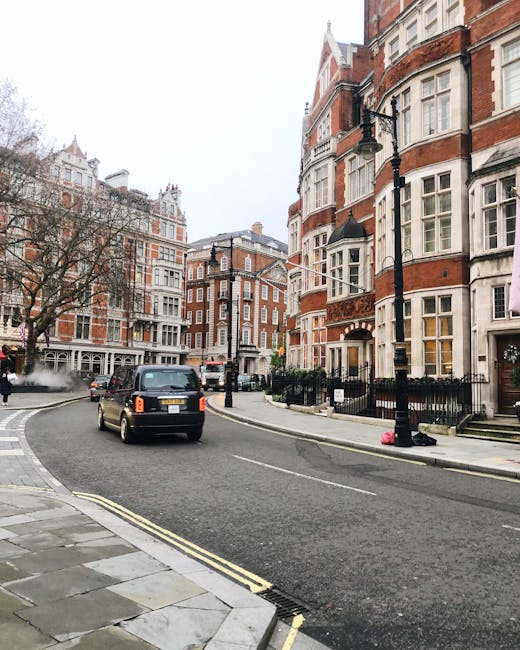
Berkeley Square sits in the heart of Mayfair, which is part of the appeal and part of the challenge. The area is refined, busy, and closely managed. That combination affects everything from where a van can pause to how quickly items can be moved from property to vehicle. A move that would be simple in a wider suburban street can become awkward here if the van is too large, the timing is off, or the building access is not checked in advance.
That is why local knowledge matters. In Mayfair, a good move is not just about lifting boxes. It is about sequencing the day correctly, keeping the route realistic, and working with the building's rules rather than against them. If you are moving from a townhouse, apartment, or managed building close to Berkeley Square, the difference between a smooth move and a frustrating one is usually preparation.
It also matters because Mayfair properties often contain high-value furniture, artwork, mirrors, heritage features, and tight stairways. Those details change the packing and handling strategy. A rushed move can lead to scuffs, broken edges, or delays at the loading point. The goal is not just transport. The goal is controlled transport.
If you are still deciding whether the area suits your lifestyle or long-term plans, the local's guide to living in Mayfair offers useful context. For homeowners preparing to sell, the article on selling a home in Mayfair is also worth reading alongside this one.
How Moving on Berkeley Square: Mayfair van tips Works
A Berkeley Square move usually works best when the removal is built around access, not the other way round. In practical terms, that means assessing the property first, then choosing the vehicle, then planning the load order and timing.
Most successful moves in this part of London follow a simple pattern:
- Check access at both the property and the destination.
- Select a van size that matches the street, parking, and item volume.
- Pack by priority, with fragile and valuable items protected first.
- Book a realistic time window that allows for traffic and building access.
- Load strategically so the heaviest items sit secure and easy-to-reach items are not buried.
- Leave room for flexibility if the building concierge, lift schedule, or street conditions change the plan.
That sounds obvious, but it is exactly where many moves go wrong. A van that looks fine on the booking form may be awkward at the kerb. A lift slot might be shorter than expected. A delivery entrance may be shared with other residents. The more central the location, the more those small details matter.
If your move involves a smaller load, a man with a van in Mayfair can be a practical option. For larger household relocations, a dedicated house removals service is often better suited to the logistics.
Key Benefits and Practical Advantages
Choosing the right moving approach for Berkeley Square is not only about convenience. It can reduce stress, lower the chance of damage, and save time that would otherwise disappear into parking problems or multiple trips.
- Better access planning: A local team that understands Mayfair can plan around street constraints more effectively.
- Reduced handling risk: The fewer times an item is moved in and out of a van, the lower the chance of damage.
- Faster turnaround: Efficient loading and route planning can shorten the day significantly.
- Better protection for valuable items: High-end furniture, TVs, artwork, and instruments benefit from specialist handling.
- Less disruption to neighbours and building staff: A tidy, controlled move tends to be easier on everyone involved.
There is also a commercial advantage. If you are moving out of a prime address, timing can affect handover arrangements, cleaning schedules, and even sale completion logistics. That is one reason local homeowners often combine relocation planning with property planning. The article on Mayfair real estate and investment considerations is a useful companion read if you are moving for a sale, purchase, or portfolio change.
Expert summary: In central Mayfair, the best move is usually the one that appears slightly over-planned before the day and slightly effortless on the day. That is not a coincidence.
Who This Is For and When It Makes Sense
These tips are most useful if you are moving within Mayfair, into Mayfair, or out of Berkeley Square to another central London location. They also apply if your move is small but delicate, because the difficulty in this area is often more about access and handling than sheer volume.
This approach makes sense for:
- Apartment or flat moves where lifts, stairs, and lobby access need careful coordination
- Townhouse relocations with multiple floors or restricted kerbside space
- Office or studio moves with equipment, files, or timing constraints
- Students or short-term renters moving a manageable load efficiently
- Clients with fragile or valuable items such as mirrors, art, or musical instruments
It also makes sense when you need speed without turning the move into a rushed job. A same-day solution can work in some situations, but only if the volume is modest and the access is confirmed. If you need fast help, the same-day removals page explains the kind of service that can support urgent moves.
For flat-based moves in particular, the flat removals service is especially relevant because stairs, lift access, and building rules are often the real planning issues rather than the distance travelled.
Step-by-Step Guidance
1. Survey the property before booking
Start by walking the route from the front door to the van loading point. Measure awkward doorways, note stair turns, and check whether there is a lift. If you have any large items, confirm their dimensions before the move date. This is one of the easiest ways to avoid the unpleasant discovery that a sofa can fit into a room but not out of it.
2. Confirm building and street access
Ask whether the building needs advance notice, booking slots, or protection for communal areas. Check if there is a loading bay, limited waiting area, or a time window when access is easier. In Mayfair, even a short delay can become more expensive if the van has to circle while waiting for a slot.
3. Choose the right vehicle size
Do not assume bigger is better. A large van can be harder to position on a constrained street. A smaller van may require extra trips, but it can be more practical in a high-footfall area. The best choice balances capacity with manoeuvrability. If you are unsure, a local removal van service can help match the vehicle to the access conditions.
4. Pack by room and by fragility
Group items by room and label them clearly. Then separate fragile items into their own packing plan. Use strong boxes, cushioning materials, and simple labels like "fragile," "top load only," and "this side up." It saves time later and reduces the chance of someone guessing incorrectly in the van.
5. Load in a sensible order
Load heavy, stable items first, then build around them with softer or lighter boxes. Keep essentials accessible. If you know you will need documents, chargers, or a kettle on arrival, do not bury them under a wardrobe and three boxes of books.
6. Protect the property during removal
Use floor coverings, corner protection, and doorway care where appropriate. Shared hallways and lifts are often the areas most vulnerable to accidental knocks. If the building management is strict about damage prevention, plan that into your timing.
7. Leave space for the unexpected
Every central London move benefits from a little buffer. Traffic, loading issues, or a lift delay can happen. Build a margin into your booking so the day remains manageable if the schedule moves slightly.
Expert Tips for Better Results
The best moving results in Berkeley Square usually come from small, practical improvements rather than dramatic changes.
- Move early in the day if possible. Streets are often calmer and access is easier before the busiest part of the day.
- Keep one box of essentials separate. Include phone chargers, toiletries, basic tools, medication, and a change of clothes.
- Photograph valuable items before loading. It is a simple habit that helps with record-keeping and peace of mind.
- Use furniture covers for polished surfaces. High-gloss tables and lacquered pieces show marks very easily.
- Check the destination layout before arrival. Knowing where items go saves time and reduces repeated lifting.
- Tell the mover about awkward items early. Pianos, oversized mirrors, antiques, and exercise equipment need advance planning.
If sustainability matters to you, ask about reuse, recycling, and packaging reduction. A move can generate a surprising amount of waste if boxes, wrap, and filler material are not handled well. For that reason, the page on recycling and sustainability is a sensible reference point.
And if you want a clear sense of who is behind the service, the about us page helps set expectations about the company's approach and standards.
![A residential street scene in Mayfair featuring white, elegant townhouses with ornate architectural details, including black wrought iron balconies and decorative cornices. The street is lined with large, mature trees with broad green canopies extending over the pavement and parked vehicles. Several cars, mostly dark-colored, are parked along both sides of the street, occupying designated parking spaces marked by white dashed lines. In the foreground, a black van belonging to Man and Van Mayfair is partially visible, suggesting it is involved in the home relocation or furniture transport process. The pavement is slightly damp, possibly after recent rain, and the scene is illuminated by soft, natural daylight, highlighting the lush foliage and the historic charm of the surroundings, consistent with the services offered by [COMPANY_NAME] in removals and moving logistics.](/pub/blogphoto/moving-on-berkeley-square-mayfair-van-tips2.jpg)
Common Mistakes to Avoid
Berkeley Square moves fail for predictable reasons. The good news is that nearly all of them are avoidable.
- Booking a van without checking access. A vehicle may be available, but not suitable.
- Underestimating packing time. Central London moves often take longer than people expect because access is rarely straightforward.
- Leaving fragile items until the end. Those items need the most attention, not the least.
- Ignoring building rules. If a concierge or management team has a process, follow it.
- Not labelling boxes clearly. Unlabelled boxes create chaos at the destination and slow everything down.
- Failing to confirm insurance and safety arrangements. Trust is easier when both sides know how risk is handled.
The last point is especially important for valuable household contents. Before booking, check that the service provider explains its cover and handling standards clearly. You can review the insurance and safety information alongside the health and safety policy to understand how these issues are treated.
If you are comparing providers, it may also help to look at the Mayfair removal companies overview rather than choosing on price alone.
Tools, Resources and Recommendations
You do not need specialist equipment for every move, but a few well-chosen tools make a measurable difference.
| Item | Why it helps | Best for |
|---|---|---|
| Strong boxes | Protects contents and stacks more safely | Books, kitchenware, decor |
| Furniture blankets | Reduces scratches and impact marks | Tables, wardrobes, cabinets |
| Bubble wrap or paper wrap | Cushions fragile surfaces and corners | Glass, frames, ornaments |
| Label stickers | Makes unloading faster and more accurate | Every box |
| Straps and ties | Helps keep items stable in transit | Appliances, furniture, stacked boxes |
| Trolley or sack truck | Reduces lifting strain and speeds movement | Heavier boxes and appliances |
For packing support, the packing and boxes service can be useful if you would rather not source everything yourself. For larger household jobs, you may also want to compare that with a broader removal services package so you are not paying twice for overlapping help.
If storage becomes necessary between move-out and move-in dates, the storage option is worth considering. That is often the difference between a rushed temporary arrangement and a clean, orderly handover.
Law, Compliance, Standards, or Best Practice
For a Mayfair move, compliance is usually about practical responsibility rather than complex legal theory. The key points are simple: ensure the move is carried out safely, respect building rules, avoid obstruction where possible, and make sure any parking or loading arrangements are lawful and confirmed in advance.
Best practice in this context usually includes:
- Clear communication about arrival time, access, and special items
- Safe lifting methods to reduce injury risk and property damage
- Appropriate insurance for the type of move being carried out
- Respect for communal spaces such as lifts, stairs, and entrance halls
- Transparent terms and pricing so the customer understands what is included
If you are arranging a business move, the expectations can be slightly higher because office equipment, data-sensitive materials, and productivity loss all matter. In that case, the office removals service is a more suitable reference point than a basic household move.
It is also wise to read the provider's terms and conditions and payment and security information before confirming a booking. That is not red tape for its own sake; it is how you avoid misunderstandings later.
Options, Methods, or Comparison Table
There is no single correct way to move from Berkeley Square. The best choice depends on the size of the load, the sensitivity of the items, and how much help you want on the day.
| Option | Best for | Pros | Watch-outs |
|---|---|---|---|
| Man and van | Smaller moves, quick transport, limited inventory | Flexible, usually cost-effective, suited to central access | May require more self-packing and organisation |
| Full removal van service | Household moves, mixed loads, heavier furniture | More support, better for complex loads | Needs stronger planning and potentially more lead time |
| Specialist item move | Pianos, antiques, oversized furniture | Tailored handling and protection | May need extra coordination and preparation |
| Storage-led move | When dates do not align | Gives breathing space between properties | Adds another step to the process |
If your move is small and straightforward, a man and van in Mayfair may be the simplest route. If it is a full property move with more furniture and packing, the broader removals service in Mayfair is usually the better fit.
For especially delicate or awkward pieces, do not guess. Use the relevant specialist page, such as piano removals or furniture removals, so the handling plan matches the item.
Case Study or Real-World Example
Consider a typical Mayfair scenario: a couple is moving from a third-floor flat near Berkeley Square to another central London property a short drive away. They have a dining table, two armchairs, boxed kitchen items, artwork, a television, and several fragile decorative pieces. They also need to hand back the flat by the end of the day.
At first glance, it looks manageable in one trip. But the first walkthrough reveals a narrow staircase, a small lift, and a loading point that will be awkward if the van is too large. The couple adjusts the plan: the biggest items are disassembled where possible, fragile boxes are packed separately, the van size is reduced to improve access, and the move is scheduled early enough to avoid unnecessary pressure.
The result is not dramatic, and that is the point. No broken glass. No repeated lifting of the same sofa through a tight stairwell. No last-minute panic because the van could not position correctly. The move feels controlled because the plan matched the location.
That same pattern applies whether you are relocating from a home, a flat, or an office. If there is one lesson from central Mayfair, it is this: build the move around the building and the street, not around an idealised version of the day.
Practical Checklist
Use this checklist before moving day. It is simple, but it catches most of the avoidable issues.
- Confirm move date, access time, and arrival window
- Check whether the building needs prior notification
- Measure large furniture and awkward items
- Decide whether a man and van, removal van, or full service is best
- Pack essentials separately for immediate access
- Label every box clearly by room and fragility
- Protect furniture with covers or blankets
- Photograph valuable items before transit
- Confirm insurance and safety details
- Ask about parking, loading, and route constraints
- Arrange storage if move-in and move-out dates do not align
- Keep contact details handy on the day
Quick takeaway: If you prepare access, pack intelligently, and choose the right van size, most Berkeley Square moves become much simpler than they first appear.
Conclusion
Moving near Berkeley Square is less about brute force and more about precision. The right Mayfair van tips help you handle restricted access, protect valuable possessions, and keep the move on schedule without creating unnecessary stress. In a location like this, good moving practice is often invisible because everything goes right behind the scenes.
Whether you need help with a compact flat move, a larger household relocation, or a specialist item, the key is to match the service to the reality of the property. Start with access, then vehicle choice, then packing, and everything else becomes more manageable.
If you are ready to plan your move properly, read the relevant service pages, compare your options, and speak to a team that understands central London logistics.
Get a free quote today and see how much you can save.
To discuss your move in more detail, you can also visit the contact page for the next step.