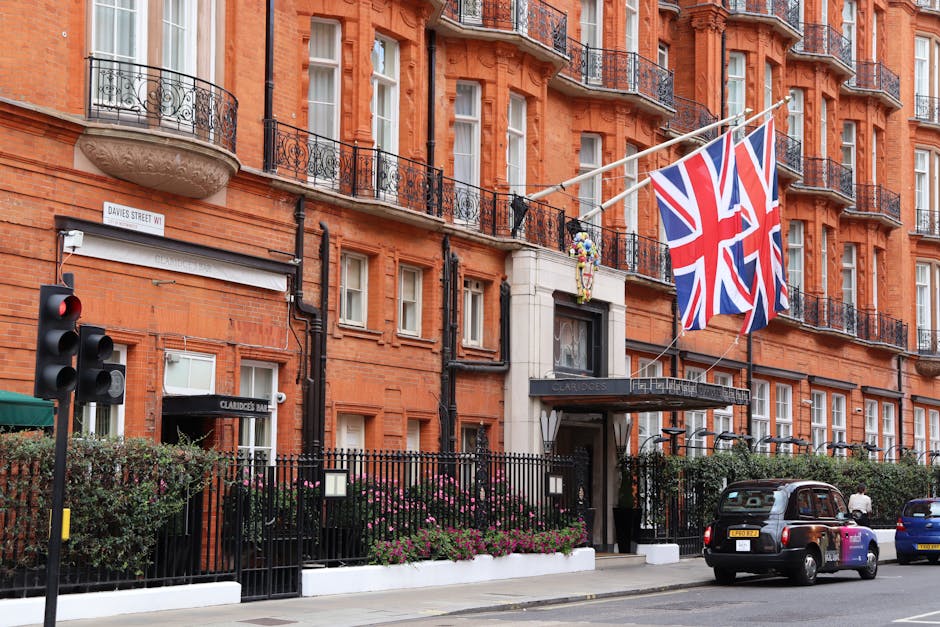
Moving antiques from Burlington Arcade in Mayfair
Posted on 02/06/2026
Moving antiques from Burlington Arcade in Mayfair: a careful guide for a high-value, high-stakes move
Burlington Arcade has a certain hush about it. Even when it is busy, there is a sense that people are handling something delicate, valuable, or both. That is exactly why moving antiques from Burlington Arcade in Mayfair needs more thought than a standard collection. Antique mirrors, cabinet pieces, fine art objects, clocks, jewellery cabinets, display furniture, and one-off decorative items all demand careful packing, measured lifting, and a move plan that fits the building, the street, and the item itself.
If you are arranging a move from Burlington Arcade, you are probably balancing several concerns at once: access, timing, parking, building rules, and the fear of a chipped edge or a scuffed finish. Fair enough. The good news is that with the right preparation, antique moves can be calm, organised, and far less stressful than they first look. This guide covers what matters, how it works in practice, where the risks hide, and how to make sensible decisions without overcomplicating things.
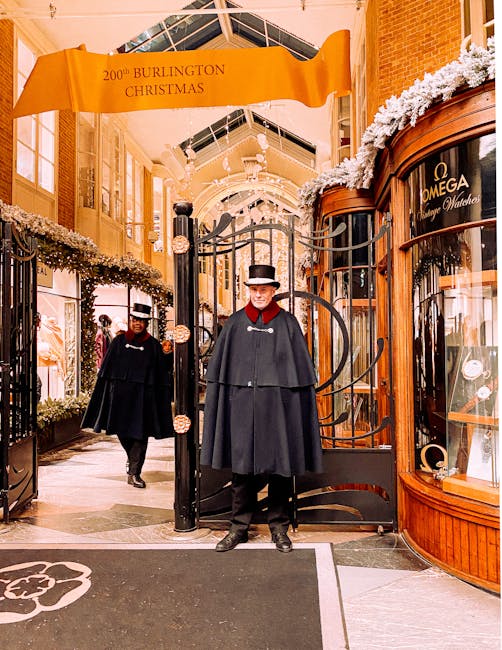
Why Moving antiques from Burlington Arcade in Mayfair Matters
Antiques are not just old items. They are often fragile in ways that are not obvious at first glance. Veneer can lift with a small knock, original joints can loosen, and decorative finishes can mark far more easily than modern furniture. Add a prestigious Mayfair setting into the mix and the margin for error gets smaller. Burlington Arcade is a place where presentation matters, circulation space can be tight, and careful handling is simply expected.
This matters for a few reasons. First, there is the item itself. Antique pieces can be structurally weak even when they look sturdy. A Georgian table might appear solid, yet one leg, one casting, or one hidden repair can be all it takes for a problem. Second, there is the building environment. Moves from elegant retail and showroom settings usually require coordination, respect for shared access, and a very tidy process. Third, there is reputation. For dealers, collectors, and private owners, one damaged item can turn a planned move into a very expensive headache.
To be fair, not every antique requires a museum-grade operation. But it does require judgement. A good move team will not simply lift and load; they will think about weight distribution, wrapping materials, walk routes, and where the item will rest in the vehicle. That level of care is what separates a smooth move from a stressful one.
Expert summary: antique moves in Burlington Arcade are less about brute strength and more about control, planning, and the right packing approach. The calmer the process, the safer the piece.
For broader moving support in the area, you may also find the site's services overview useful, especially if your antique move is part of a larger relocation. If the item is especially awkward or valuable, the page on insurance and safety is worth a look before anything is booked.
How Moving antiques from Burlington Arcade in Mayfair Works
In practice, the process begins long before the van arrives. The best antique moves start with a review of the item list, photos, access conditions, and destination details. You want to know what you are moving, where it is going, what it weighs roughly, and whether it has any weak points such as loose handles, glass panels, mirrored surfaces, or detachable sections. That early information drives everything else.
The second stage is packing. Some antiques travel well in layered wrap and padded blankets; others need bespoke crates or extra corner protection. A lacquered cabinet, for example, should not be wrapped in anything that might stick or imprint the finish. A marble-top table may need the top removed and packed separately. A gilt mirror usually needs a much more cautious setup than a standard wall mirror. It sounds obvious, but small details are where many mishaps begin.
Then comes access planning. Burlington Arcade is not the sort of place where you want to discover, on arrival, that a vehicle cannot stop where you hoped or that a loading area is already occupied. Timing matters. So does communication with the building or shop team. If your move is part of a same-day or urgent situation, a page like same-day removals in Mayfair can help you understand the kind of response that is possible when time is tight.
Finally, the collection itself needs a controlled load plan. Heavy antique furniture is usually loaded so the most stable, least delicate items form a base. Fragile pieces are secured separately, with soft ties and padding to prevent shift during braking or cornering. Nothing glamorous. Just methodical work. That is what you want.
What a well-run antique collection typically includes
- A short pre-move survey or at least clear item photos
- Protection materials matched to the surface, not just wrapped blindly
- Clear route planning for stairs, doorways, lifts, and tight turns
- Safe lifting with enough people for the weight and shape of the item
- Vehicle loading that prevents movement in transit
- Delivery placement and careful unwrapping at destination
Key Benefits and Practical Advantages
The main advantage of a specialist antique move is peace of mind, but there are a few practical benefits that are easy to overlook.
1. Lower risk of damage. Proper wrapping, lifting, and loading reduce the chances of scratches, corner chips, cracked glass, and compression damage. Antique finishes are often more vulnerable than modern ones, especially when they have aged varnish or fine detailing.
2. Better control over unusual shapes. Antiques rarely behave like standard flat-pack furniture. They have curves, protrusions, carved edges, and fragile fittings. A mover experienced with delicate pieces will know how to support these shapes rather than forcing them into a one-size-fits-all process.
3. Less disruption to the shop or property. Burlington Arcade is a busy and highly presentable environment. A tidy, measured move avoids unnecessary disruption to neighbouring businesses and helps keep everything smooth on the day.
4. Cleaner unpacking at destination. If items are labelled properly and loaded in a sensible order, the destination delivery is calmer. Nobody enjoys unwrapping six padded bundles only to discover the one you need is buried at the back. It happens, and it's annoying.
5. Easier coordination with other move elements. Antique pieces are often part of a wider move involving artwork, mirrors, specialist furniture, storage, or even short-notice relocation. If that sounds familiar, the pages for furniture removals in Mayfair and storage in Mayfair can help you think through the wider logistics.
Who This Is For and When It Makes Sense
This kind of move is relevant to more people than you might think. It is not only for collectors with a drawing room full of Georgian sideboards and Regency chairs. In reality, antique collections appear in all kinds of settings around Mayfair.
You may need this service if you are:
- a dealer moving stock from a Burlington Arcade showroom
- a private collector relocating inherited pieces
- a designer sending statement furniture to a client property
- an estate executor handling a sensitive house clearance or partial move
- a gallery or specialist retailer moving display items between premises
- someone combining antiques with a flat, house, or office relocation
It also makes sense when an item has emotional value. That is a real factor, even if people do not always say it out loud. A family cabinet, an antique writing desk, or a mirror passed down through generations carries more than financial worth. You want it handled by someone who understands that, not just someone who can lift a box.
If your move is part of a wider residential change in the area, it can be useful to read about local context too. The article on living in Mayfair gives a good sense of what day-to-day life in the area can feel like, while house buying in Mayfair and the Mayfair property investment guide are helpful if your antiques are part of a bigger property transition.
Step-by-Step Guidance
Here is a practical route through the process. Keep it simple. Overcomplicating an antique move is how you end up second-guessing everything on the day.
- List every item clearly. Note dimensions, weight if known, obvious damage, loose components, glass, mirrors, marble, or other vulnerable parts.
- Photograph each piece. Take quick photos from a few angles before moving. This helps with condition records and packing decisions.
- Check access at both ends. Look at doors, stairs, lift size, loading options, and the route from the shop or building to the vehicle.
- Choose packing by surface type. Wood, veneer, brass, fabric, and glass all need different protection. One blanket style does not fit all.
- Separate removable parts. Shelves, keys, glass tops, and hardware should be bagged and labelled. Keep them with the correct item.
- Plan the load order. Heavy, stable pieces first. Fragile items protected and secured so they cannot slide or tilt.
- Confirm delivery conditions. Make sure the destination is ready, especially if you need temporary placement, storage, or a narrow access window.
- Unpack carefully. Remove protection slowly and inspect the piece immediately. If anything moved or rubbed, you want to notice early.
That is the basic framework. Not fancy. But it works.
A small practical note: if the antique move is tied to a flat move, a house move, or office relocation, it is usually better to coordinate everything in one schedule rather than treating the antique piece as an afterthought. Pages like flat removals in Mayfair and house removals in Mayfair can be useful if the antiques are going alongside a broader home move.
Expert Tips for Better Results
These are the details that make a noticeable difference. Little things, mostly. But little things matter with antiques.
- Use soft materials on finished surfaces. Old lacquer, polished wood, and decorative paint can mark under rough wrap. Ask for the right protective layer rather than whatever happens to be in the van.
- Do not leave keys, drawers, or glass loose. A drawer that slides open during a lift is asking for trouble. Secure it, remove it, or both.
- Protect corners twice. Corners are usually the first place to get knocked in doorways or around tight turns.
- Think about temperature and moisture. Antiques do not like sudden damp or heat swings. A cold loading bay followed by a warm room can be surprisingly awkward for some finishes.
- Keep a simple item inventory. A handwritten list is fine. Just make sure it is readable. You do not need an elaborate spreadsheet unless you actually want one.
- Leave a bit of time. Rushed antique moves tend to be clumsy antique moves. Five more minutes at packing stage can save a lot later.
Here is a small truth from practice: the moment someone says, "It'll be fine, just wrap it quickly," is often the moment you should slow down. A careful move is rarely the fastest-looking one, but it is usually the least stressful. And that counts for a lot.
If you want to understand the kind of vehicle and crew setup that suits careful local work, take a look at man and van in Mayfair, man with van in Mayfair, or removal van in Mayfair. Those pages help frame the practical transport options without overcomplicating things.
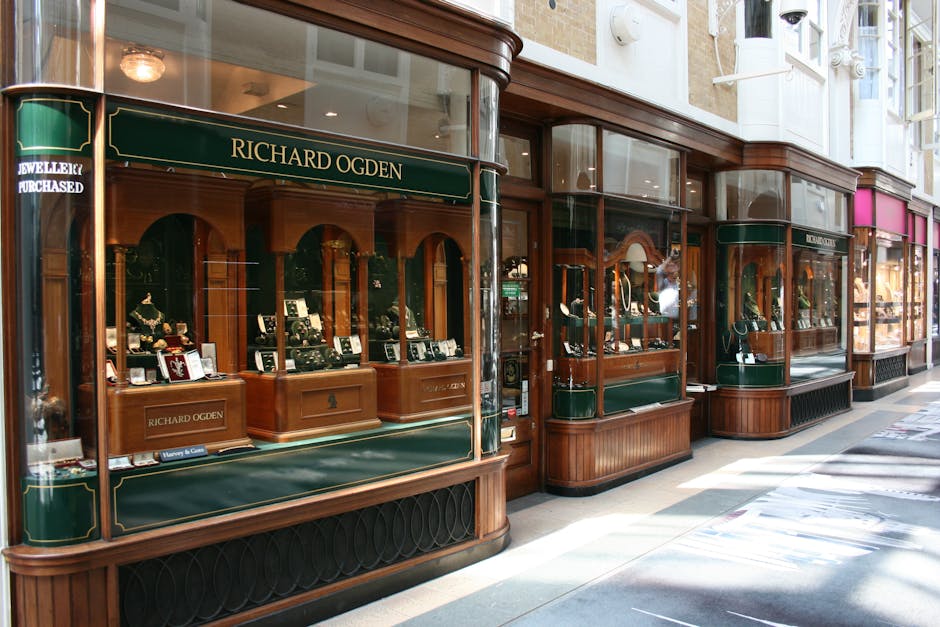
Common Mistakes to Avoid
Most antique damage does not come from dramatic accidents. It comes from small avoidable mistakes. The kind people only notice afterwards. Annoying, really.
- Using generic wrapping for everything. Bubble wrap alone is not always enough, and sometimes it is the wrong choice on delicate finishes.
- Ignoring hidden fragility. A piece may look solid while having old repairs, loose joints, or brittle veneers.
- Forgetting to measure doorways and lifts. This one sounds basic, but it is still a common problem.
- Not securing small parts. Handles, keys, rails, and shelves can go missing easily during rushed packing.
- Loading too tightly. Antiques should be stable, but not crushed. Pressure damage is real.
- Failing to check insurance and accountability. Before the move, make sure you understand what is covered, what is not, and how claims would be handled if necessary.
Another easy mistake is treating all Mayfair addresses the same. Burlington Arcade is not identical to a private house or a standard office floor. If your antiques are also travelling through nearby streets or properties, the move may need area-specific planning. The guides on parking and access on South Audley Street, moving on Berkeley Square, and historic home considerations in Grosvenor Square are all useful for that wider local picture.
Tools, Resources and Recommendations
You do not need a warehouse full of specialist equipment to move antiques well, but you do need the right basics. The quality of the materials matters more than the quantity.
| Tool or material | Best used for | Why it helps |
|---|---|---|
| Thick removal blankets | Cabinets, tables, framed pieces | Reduces surface scratches and impact marks |
| Corner protectors | Frames, mirrors, furniture edges | Protects the most vulnerable points |
| Strapping and soft ties | Securing items in transit | Limits movement without hard pressure on the surface |
| Labelled bags or envelopes | Screws, keys, fittings, shelves | Keeps small parts with the correct item |
| Matting or floor protection | Loading routes and property interiors | Prevents scuffs in narrow or high-traffic areas |
| Storage crates | Glass, artwork, very delicate antiques | Provides rigid protection where soft wrapping is not enough |
For more general packing help, the page on packing and boxes in Mayfair is a sensible companion resource. If your move needs extra holding time between collection and delivery, storage in Mayfair may be relevant too.
One more practical recommendation: ask for clear booking terms and payment information upfront. The pages for pricing and quotes and payment and security are useful if you want to know how a professional move is typically organised before you commit.
Law, Compliance, Standards, or Best Practice
Antique moves are not usually about a single dramatic regulation. They are about good practice, duty of care, and sensible compliance with the setting you are working in. In a place like Burlington Arcade, that means respecting building rules, loading restrictions, fire exits, and any instructions from the property or management team. If access is shared, clear timing and tidy behaviour are part of the job, not an optional extra.
For the transport side, a responsible mover should use vehicles and loading methods that keep items secure and do not create avoidable hazards. That includes safe lifting, proper tie-downs, and an approach to packing that reduces movement in transit. If a move involves fragile or high-value items, it is also normal to discuss insurance, condition recording, and who is responsible if a problem arises. Not glamorous, but essential.
Where relevant, a reputable moving team should also have clear policies covering health and safety, privacy, complaints handling, accessibility, and ethical business conduct. Those may sound like background documents, and they are, but they matter because they show the company treats work properly. You can review pages such as health and safety policy, terms and conditions, complaints procedure, privacy policy, and accessibility statement if you want a clearer sense of how those standards are set out.
There is also a wider sustainability angle. Antique moves can be carried out in a way that avoids unnecessary waste, reuses protective materials where appropriate, and handles packing responsibly. The page on recycling and sustainability is relevant if you care about reducing waste during the move. Many clients do, quietly and sensibly. It is a good habit.
Options, Methods, or Comparison Table
There is more than one way to move antiques from Burlington Arcade, and the best choice depends on the item, the distance, and how much handling is involved. Here is a simple comparison.
| Method | Best for | Strengths | Limitations |
|---|---|---|---|
| Standard van move with careful packing | Most single items and smaller antique collections | Flexible, efficient, usually cost-conscious | May not suit very high-risk or over-sized items |
| Specialist antique handling | Delicate, high-value, or complex pieces | More tailored packing and loading control | Typically more involved and may take longer |
| Move with temporary storage | Projects with delayed delivery or phased access | Useful when the destination is not ready yet | Requires extra handling and planning |
| Combined property move | Antiques moving alongside furniture, boxes, or office items | Efficient when coordinated properly | Needs stronger scheduling and labelling |
In simple terms, if the item is a one-off antique cabinet with marble top and fragile trim, a specialist approach is usually the wiser choice. If you are moving a few sturdy but valuable pieces across Mayfair, a well-prepared van move may be perfectly appropriate. There is no prize for making it more complicated than needed.
Case Study or Real-World Example
Picture a small Burlington Arcade retailer moving a pair of antique display cabinets, several framed decorative pieces, and a heavy side table to a new premises a short distance away in Mayfair. Nothing outrageously large, but enough to need care. The cabinets have glass doors, the table has carved legs, and the framed pieces are older than they look, which is often the way.
The move begins with photos and a quick condition note. The glass shelves are removed first and labelled. Each cabinet is wrapped in soft protection, with the corners reinforced and the doors secured so they cannot swing open. The side table gets blanket protection and corner padding. Because the loading point is in a busy central location, the crew arrives with the route already planned and the vehicle ready for a quick but careful handover.
At the destination, the team does not rush the final placement. The cabinets are taken to their intended positions, the shelves are reinstalled, and the client checks that every item matches the original condition notes. Nothing dramatic happened. That is the point. A successful antique move often looks uneventful from the outside, and that is exactly what you want.
A good antique move should feel almost boring in the best possible way: calm, tidy, and fully under control.
That may sound understated, but honestly, boring is brilliant when the item is rare, sentimental, or expensive.
Practical Checklist
Use this before the moving day. It keeps the process grounded.
- List each antique item with a brief description
- Take clear photos of condition and any existing marks
- Measure the item, doors, stairways, and lift access
- Remove loose fittings, shelves, or glass where appropriate
- Choose packing materials suited to the finish and shape
- Label parts, keys, and hardware in a simple, visible way
- Confirm loading time, collection access, and destination access
- Check whether storage is needed between collection and delivery
- Review insurance, terms, and payment details in advance
- Inspect each item again on arrival and report issues straight away
If you are planning a move that includes office furniture, private rooms, or mixed-use items, the page on office removals in Mayfair can also be helpful. For urgent or compressed timelines, you may want to compare it with same-day removals in Mayfair so you can judge what level of service fits the situation.
Conclusion
Moving antiques from Burlington Arcade in Mayfair is a task that rewards patience, planning, and the right handling habits. It is not about rushing, and it is definitely not about guessing. The more carefully you map out the item, the access, the packing, and the destination, the smoother the move will feel.
What often matters most is not the size of the item but its quirks: a loose joint, a fragile finish, an awkward doorway, or a tight loading window. Once you identify those points early, the whole job becomes more manageable. And that is a relief, because antique moves can sound intimidating when, really, they just need a steady hand and a sensible plan.
Get a free quote today and see how much you can save.
If you are ready to discuss a Burlington Arcade antique collection or a wider Mayfair move, the simplest next step is to make contact and talk through the details properly. A few clear photos and a short description can save a lot of back-and-forth later.
Sometimes the best move is the one that barely announces itself. Quiet, careful, done right.