Grosvenor Square removals: historic home considerations
Posted on 22/05/2026
Moving out of, or into, a historic property near Grosvenor Square is not quite the same as a standard London move. The doors may be tighter, the staircases steeper, the finishes older, and the building rules a lot less forgiving. Add period features, delicate flooring, narrow access, and a central Mayfair address, and you can see why careful planning matters. Grosvenor Square removals: historic home considerations are really about protecting the property, the belongings, and everyone involved in the move.
If you are dealing with a listed townhouse, a mansion flat with original features, or a beautifully restored period home, the details make all the difference. A chipped banister, a scuffed stone floor, or a delayed lift booking can turn a simple move into a long, frustrating day. The good news? With the right preparation, the process can be smooth and surprisingly calm. You just need to know what to look out for, what to ask for, and what not to leave until the last minute.
In this guide, we will walk through the practical realities of moving in and around Grosvenor Square, from access planning and packing to protection, timing, storage, and compliance. If you are comparing service options, you may also find our guide to removal services in Mayfair helpful, along with the wider services overview for a broader look at what support is available.
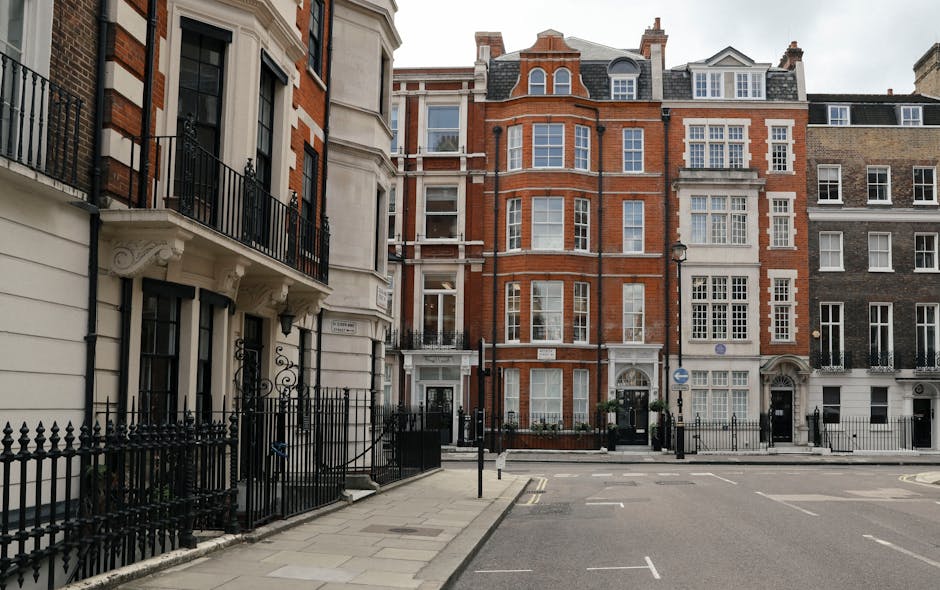
Why Grosvenor Square removals: historic home considerations Matters
Historic homes in and around Grosvenor Square often come with character, but also constraints. That is the trade-off. Original timber floors may mark easily. Decorative plaster, panelled walls, marble thresholds, and older door frames can all be vulnerable during a move. A standard "load and go" approach usually does not fit.
There is also the location itself. Grosvenor Square sits in a busy, high-value part of London where access, parking, and timing can be awkward even on a good day. A removal van may need to work around controlled parking, concierge instructions, lift bookings, or neighbour access. The whole operation benefits from a careful, almost old-fashioned level of planning. Truth be told, that extra preparation saves time later.
Historic homes also raise expectations. Owners, landlords, managing agents, and neighbours often expect a move to be quiet, clean, and respectful. That means fewer surprises, more communication, and a team that understands how to move furniture around corners without leaving a trail of damage behind. If you are moving within the area, it can help to read a little more about the neighbourhood context through local residents' views on living in Mayfair and the related house buying in Mayfair guide.
In short: historic-home removals are about risk control as much as logistics. The better the planning, the less likely you are to damage delicate finishes, delay building access, or end up doing expensive repairs after the move.
How Grosvenor Square removals: historic home considerations Works
A successful move from a historic property usually follows a sequence that is a bit more detailed than a normal domestic removal. The aim is to understand the building before anything gets lifted, rolled, wrapped, or carried.
First comes the access review. This includes entrance width, stair turns, lift dimensions, internal corridors, ceiling height, parking options, and whether there are any awkward loading restrictions nearby. In a period property, one narrow hallway can shape the entire moving plan. Sounds dramatic, but it really can.
Next comes item assessment. Large wardrobes, antique tables, mirrors, pianos, artwork, chandeliers, and marble-topped furniture all need special handling. Some pieces may need partial dismantling. Others may need two-person or four-person lifts. A few may be safer in storage temporarily rather than being squeezed through an old staircase at an unfortunate angle.
Then there is protection. Good removals for historic homes involve floor runners, corner guards, blanket wrapping, and careful handling around banisters and door casings. If the property has polished stone or fragile woodwork, those details need to be protected from the start, not after the first scuff appears. The same goes for the moving route outside the property.
Finally, timing and coordination matter. In Mayfair, a calm early-morning start often works better than trying to move in the middle of the day when traffic is heavier and the street is busier. If the building has rules on lift use or concierge access, those need to be confirmed early. A lot of avoidable stress comes from not checking those basics.
If your move includes specialist items, it can be worth looking at furniture removals in Mayfair and, where needed, piano removals for items that need extra care. Not every move needs the same level of support, but historic homes often do.
Key Benefits and Practical Advantages
When historic properties are handled properly, the benefits are very concrete. Not abstract, not fluffy. Real advantages.
- Less risk of damage: Protective materials and careful routing reduce the chance of scratched floors, chipped paintwork, and broken fittings.
- Smoother coordination: Planning access, timing, and loading in advance keeps the day moving.
- Better handling of antiques and fragile pieces: Period furniture, art, and heirlooms often need a slower, more considered approach.
- Lower stress for the household: You are not improvising at the doorway with a sofa that will not fit. Been there, or nearly.
- More professional presentation: This matters in premium buildings, where neighbours and managing agents notice how a move is managed.
There is also a financial angle. Preventing damage to original features is not just about aesthetics. Replacing or repairing period details can be awkward, expensive, and sometimes difficult to match properly. In a place like Grosvenor Square, even small mistakes can become noticeably costly.
One overlooked benefit is simple confidence. When you know the access route has been measured, the fragile items are packed correctly, and the moving team understands the building, you can focus on the move itself rather than worrying about what might get knocked over next.
Who This Is For and When It Makes Sense
This approach is for anyone moving in or out of a historic or high-spec property where the building fabric matters as much as the contents. That includes owners, tenants, landlords, family offices, estate agents, and managing agents who need a move completed without fuss.
It makes particular sense if your property has any of the following:
- listed or heritage-sensitive features
- narrow stairs, long corridors, or tight internal turns
- original flooring, wall panelling, or decorative plaster
- high-value furniture or art
- building management rules or concierge-controlled access
- shared entrances where neighbours may be affected
It is also sensible if you are short on time and need the move to happen cleanly first time. For example, if you are completing a property sale, handing over keys, or coordinating decorators and cleaners afterward, you probably do not want a complicated removal dragging on into the evening.
And if the move is more immediate than planned, a service such as same-day removals in Mayfair or a flexible man and van in Mayfair arrangement may be useful. Just make sure speed does not replace care. That is the trap.
Step-by-Step Guidance
If you want the move to feel manageable rather than chaotic, work through the process in a practical order.
- Walk the property before the move. Look for tight corners, fragile finishes, and anything that could catch a sofa or table leg.
- Measure the awkward bits. Door widths, stair landings, lift dimensions, and large furniture sizes are the key numbers.
- Separate valuables and delicate items. Keep documents, jewellery, small heirlooms, and essential personal items somewhere safe and clearly labelled.
- Choose the right packing materials. Double-walled boxes, furniture blankets, tape, edge protectors, and wardrobe covers all earn their keep.
- Confirm access and parking. Check what the building allows, and what the street will tolerate.
- Book the move in a sensible window. Earlier starts often reduce friction in central London.
- Protect the route first. Floors, banisters, and corners should be covered before the first item comes out.
- Load in a logical sequence. Heavy items first, delicate items last, and anything needed immediately should be easy to reach.
- Do a final walkthrough. Check cupboards, lofts, drawers, and behind doors. People forget the weirdest things in the last five minutes.
For packing support, have a look at packing and boxes in Mayfair. Good packing is boring in the best possible way. It just works.
Mini planning note
If the property has antiques, mirrors, or anything sentimental, label those boxes clearly and keep them together. You do not want a delicate lamp sharing space with heavy books. That is how accidents happen.
Expert Tips for Better Results
A few small choices can make a big difference in a historic home move. The trick is not always doing more. Sometimes it is doing the right things in the right order.
1. Photograph the property before work starts. This creates a useful record of floors, walls, and existing marks. It is simple, but surprisingly helpful if there are any questions later.
2. Use the shortest safe route. The shortest route is not always the fastest, but it usually reduces contact points. Fewer turns, fewer bumps, fewer problems.
3. Keep a "do not load" zone. Put fragile items, keys, charger cables, paperwork, and day-one essentials in one clearly marked spot.
4. Communicate building rules early. Concierge access, lift reservations, noise limits, and loading arrangements can all affect the moving schedule. Better to know before the van arrives.
5. Think about temporary storage. If access is awkward or refurbishment is still underway, a short-term storage plan can make the move far less stressful. Our storage in Mayfair page explains how that option can fit around a tighter timeline.
6. Choose quality over speed where historic fabric is concerned. A slow, careful carry through a narrow hall is annoying for about two minutes. A damaged antique banister is annoying for weeks.
One more thing: if you are moving a particularly large or unusual piece, ask whether the team has dealt with similar items before. Not in a dramatic way, just a simple question. A decent mover will answer clearly.

Common Mistakes to Avoid
Most problems in historic-home removals are preventable. The issue is that they often happen because people assume the move is "just a move." It rarely is.
- Not measuring properly: A sofa that fits on paper may still fail at the stair turn.
- Skipping protection: One unprotected corner can leave a visible mark on a period wall or floor.
- Leaving packing too late: Rushed packing leads to broken handles, lost screws, and crushed boxes.
- Forgetting access rules: In a managed building, this can stall the entire move.
- Assuming all removals teams are the same: Some are better set up for high-value or historic properties than others.
- Overfilling boxes: Especially with books, this gets heavy fast and can damage both contents and backs.
- Ignoring insurance details: You want to know what is covered before the day, not after a wobble on the stairs.
There is a small but important mindset shift here: if something feels awkward during planning, it probably will be awkward on moving day. Do not brush it off. Deal with it early.
Another mistake is underestimating how busy central London can be. A ten-minute delay can become a thirty-minute shuffle if loading space disappears. Mayfair keeps you honest like that.
Tools, Resources and Recommendations
You do not need specialist equipment for every move, but historic properties often benefit from a few well-chosen tools and services.
| Tool or resource | Why it helps | Best used for |
|---|---|---|
| Furniture blankets | Protect polished surfaces and edges during transit | Tables, cabinets, mirrors, and large shelving |
| Wardrobe boxes | Keep clothes hanging and reduce creasing | Bedrooms and dressing rooms |
| Floor runners | Protect original flooring in high-traffic areas | Hallways, stairs, and entrances |
| Corner guards | Reduce damage at tight turns and door frames | Narrow passageways and older interiors |
| Short-term storage | Buys time when access, decoration, or staging is not ready | Phased moves and renovation projects |
For moving support around the area, it is worth comparing man with van services in Mayfair with fuller house removals in Mayfair. A smaller job may only need a compact vehicle and a couple of hands. A more delicate or furniture-heavy historic move may need more structure.
You can also review practical trust and business information such as insurance and safety, pricing and quotes, and the company's recycling and sustainability approach if you are trying to make a responsible choice. Useful, not flashy. Which is probably how it should be.
Law, Compliance, Standards, or Best Practice
Historic homes do not always mean formal legal complications, but they do demand care around compliance and building expectations. If a property is listed or subject to heritage controls, owners and occupiers should be cautious about any work that could affect protected fabric. Removal teams typically do not alter the building, but careless handling can still cause avoidable damage.
In practical terms, best practice usually includes:
- confirming building management or landlord requirements before the move
- checking access permissions and loading arrangements in advance
- using appropriate handling methods for fragile or high-value items
- ensuring adequate insurance is in place for the type of move being undertaken
- following health and safety procedures for lifting, carrying, and route protection
Where properties are shared or tightly managed, clear communication matters as much as physical care. If a concierge needs notice, if a lift must be booked, or if there are quiet-hour expectations, those should be respected. That is just good practice, and in premium buildings it is expected.
If you want a clearer sense of operational standards, the company's health and safety policy and terms and conditions are sensible places to review before booking. For general company and user-data questions, the privacy policy and cookie policy are there as well. Not glamorous reading, granted, but useful.
Options, Methods, or Comparison Table
Not every Grosvenor Square move needs the same setup. The right method depends on the property, the contents, and the timing.
| Move option | Best for | Strengths | Limitations |
|---|---|---|---|
| Man and van | Smaller loads, short-distance moves, urgent jobs | Flexible, often quicker to arrange, cost-conscious | May be less suited to large antique furniture or complex access |
| Full house removals | Whole-property moves and larger inventories | More structured, better for careful packing and handling | Usually needs more planning and coordination |
| Specialist item move | Pianos, artwork, rare furniture, delicate heirlooms | Better protection and handling expertise | Can require extra lead time |
| Temporary storage plus phased move | Renovations, access delays, staged occupancy | Reduces pressure on moving day | Needs additional coordination and cost consideration |
If your move is mostly furniture-light, a smaller service may be fine. If you have antique cabinets, fragile lighting, or a tricky staircase, a more planned approach is usually the safer bet. And if you are comparing companies, it is reasonable to look at removal companies in Mayfair before making a decision.
Case Study or Real-World Example
Picture a typical Mayfair scenario. A resident is moving out of a period apartment near Grosvenor Square. The building has a concierge desk, a narrow service lift, and a hallway with polished flooring that shows every scuff. There is also a heavy dining table, a tall mirror, and a piano that probably deserves its own name.
Instead of turning up and hoping for the best, the move is planned in layers. The route is checked first. The lift is reserved. Floor protection is laid down before any item is moved. The mirror is wrapped separately. The dining table is assessed and partially dismantled. The piano is handled with specialist care. The boxes marked "fragile" are loaded last and kept upright. Simple, really - but only because the detail work happened beforehand.
What changed the outcome? Not magic. Just preparation. The property remained protected, the moving team worked without unnecessary pauses, and the resident could hand back the keys without a last-minute repair bill hanging over them.
That is the pattern you want in a historic home move. It should feel measured, not frantic. If the day is a little quiet, that is usually a good sign.
Practical Checklist
Use this checklist a few days before the move. It is the sort of thing that saves you from a lot of little headaches.
- Measure doors, halls, stairs, and lifts
- Confirm building access, parking, and concierge instructions
- Identify fragile surfaces, antiques, and high-value items
- Book any specialist item handling in advance
- Gather packing materials: boxes, tape, blankets, wardrobe covers, labels
- Protect floors and corners before loading begins
- Set aside essentials for the first 24 hours
- Check insurance cover and what it includes
- Take photos of key rooms and any existing marks
- Keep contact details for the removal team and building management handy
- Plan for storage if the property is not ready in one step
It sounds basic, but basic is what works. The moves that feel effortless are usually the ones with the most preparation behind them.
Get a free quote today and see how much you can save.
Conclusion
Grosvenor Square removals with historic home considerations are all about respect: respect for the building, for the belongings, and for the people who have to live or work there afterwards. In a place where original features matter and access can be tight, careful planning is not a luxury. It is the job.
If you take anything from this guide, let it be this: measure early, pack properly, protect the route, and choose a moving approach that suits the property rather than forcing the property to suit the move. That small shift in mindset makes everything calmer.
And if the day feels a bit much, fair enough. Moving is one of those life tasks that looks simpler from a distance than it feels in real time. But with the right support, even a historic Mayfair property can be moved with confidence, care, and a lot less drama than you might expect.
For tailored help or to discuss the best option for your property, you can always start with the team's contact page. Sometimes a short conversation is all it takes to make the whole thing feel more manageable.