Westminster parking suspensions & fines for W1 removals: a practical guide for smoother moves
If you are moving in or around W1, parking is rarely a minor detail. In Westminster, one wrong assumption can turn a tidy removal plan into a stressful morning, complete with extra costs, delays, and a driver trying to read a suspension notice while half the street is already blocked. This guide explains Westminster parking suspensions & fines for W1 removals in plain English, so you can plan the van, the timing, and the paperwork with fewer surprises.
W1 is busy, tight, and often unforgiving. Bays change, suspensions appear with little notice, access can be restricted by street works or events, and even a short stop can become expensive if it is not set up correctly. The good news? With the right preparation, most of the pain is avoidable. Let's walk through what matters, what tends to go wrong, and how to move with a bit more confidence.
Why Westminster parking suspensions & fines for W1 removals Matters
In W1, the parking challenge is not just about finding space. It is about knowing whether the space you thought you had is actually available, legal to use, and suitable for a removal vehicle. That sounds obvious, but on a moving day people are often dealing with boxes, keys, lift bookings, neighbours, and the clock. Parking errors happen because the move is already noisy and rushed.
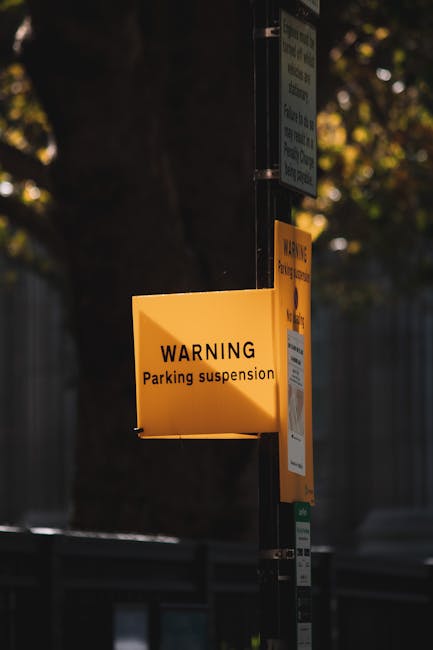
Westminster parking suspensions affect removal plans in a few obvious ways. A bay that is normally fine may be suspended for works, deliveries, filming, or events. A single yellow line may look harmless until loading rules or restrictions kick in. A narrow residential street may technically allow stopping, but not for the amount of time a proper move needs. And if the van is left in the wrong place, fines can follow quickly. Nobody wants that. Not on moving day, anyway.
The reason this matters so much in W1 is the mix of traffic pressure and property type. You have mansion flats, period terraces, mews homes, offices, and high-value furniture that cannot just be carried around corners for fun. A bad parking setup can mean longer carrying distances, extra labour, missed slots, and awkward negotiations with building management. Sometimes the difference is only twenty metres, but those twenty metres matter.
There is also a wider cost issue. A parking fine may be annoying on its own, but the indirect cost is often worse: a delayed team, overtime, tenant complaints, access blocked for another resident, or damage caused by trying to rush. In a place like Mayfair, that can spiral fast. For context on moving in local streets and access-heavy areas, our parking access guide for South Audley Street moves is useful reading.
How Westminster parking suspensions & fines for W1 removals Works
The basic idea is simple: Westminster can suspend a parking bay or loading bay for a specific reason and period, and vehicles that ignore the restriction may be penalised. In practice, the process is a little messier because the signage, timing, and enforcement all have to line up. A suspension may cover only part of a bay, a whole bay, or a specific section of road. It may begin before your arrival. It may end after you have left. The details matter.
For removals, the main questions are:
- Is the bay or street space actually available at the time of the move?
- Does the property need a suspension, a permit, or both?
- Can the van legally load and unload where it is parked?
- Is the driver expected to stay with the vehicle?
- Will the access route work for the size of van and the amount of furniture?
There is a difference between a parking suspension and a general parking restriction. A suspension usually means a bay or space that would normally be usable is temporarily unavailable. A restriction may be permanent, such as a no-stopping zone or limited waiting period. For removals, that distinction is critical. If you assume the wrong thing, the van ends up moving twice. Which is, frankly, one of those small disasters that feels bigger than it should.
Fines can arise from a few common scenarios: parking in a suspended bay, overstaying a loading period, stopping where the road markings do not permit it, or using a vehicle that does not comply with local conditions for that location. Sometimes a fine is issued because a sign was missed. Sometimes it is because the crew arrived late and the bay was no longer usable. That is why planning ahead is the real safeguard, not optimism.
If you are unsure how Westminster council permits fit into the bigger picture, our article on Westminster Council permits for moving vans gives a good local overview. It pairs well with this guide because parking and permits often need to be sorted together, not separately.
Key benefits and practical advantages
Done properly, parking planning does more than avoid fines. It makes the whole move calmer. The van parks closer. The team carries less. The loading sequence is smoother. And you are not standing in the hallway wondering why the driver is walking back from the corner for the third time.
Here are the main benefits:
- Lower risk of penalties: fewer parking mistakes means fewer fines and less hassle.
- Faster loading and unloading: close access saves time, especially with bulky furniture.
- Less physical strain: shorter carry distances reduce the chance of knocks and scrapes.
- Better coordination: everyone knows where the van is going and how long it can stay there.
- Reduced move-day stress: fewer surprises is always a win, to be fair.
There is another quiet benefit people overlook: better protection for the property. When a van is parked properly and the route is clear, movers spend less time forcing awkward angles through doors, halls, or stairwells. That can help protect floors, walls, and door frames. If you are moving in a period home, take a look at protecting period floors during Mayfair property moves; it explains why access planning is part of protecting the home itself.
For households with fragile or valuable pieces, the benefits are even clearer. A straight, legal parking position helps with furniture dollies, piano boards, and careful handling. It sounds basic, but the wrong kerbside can complicate everything. Even a fine can feel like the least of your worries if the whole schedule starts sliding.
Who this is for and when it makes sense
This is not only for large house moves. If you are moving a studio flat, a single room, an office, or a few valuable items, parking planning still matters in W1. In Westminster, small moves can be just as sensitive as big ones because the streets are so constrained. A van does not need to be huge for a problem to happen.
It especially makes sense if you are:
- moving from a flat with limited street access;
- using a removal van in a narrow residential street;
- moving on a weekday when traffic pressure is high;
- moving items that need close access, such as antiques or heavy furniture;
- working to a tight key handover or completion time;
- planning an office relocation where timing is unforgiving.
If your property is in a busy pocket of W1, think Marylebone, Mayfair, or around the retail and office corridors, you are better off treating parking as part of the move plan, not an afterthought. For readers looking at the broader local market and movement patterns, living in Mayfair: local residents' opinion gives a helpful sense of the day-to-day realities.
There is a commercial side too. If you are comparing move options, parking support can be a real differentiator between a basic van hire and a more organised removal service. That matters when you are deciding whether to use a man with van service in Mayfair or a fuller removal setup with planning and coordination.
Step-by-step guidance
If you want to reduce the chance of Westminster parking suspensions & fines for W1 removals, a structured approach helps. Here is a practical sequence that works better than winging it.
- Check the move date and time early. Even a rough time window is enough to start the parking conversation. Do not leave this until the night before if you can avoid it.
- Assess the street outside the property. Look for bays, double yellows, single yellows, loading restrictions, and any obvious signboards. A short visit helps. Sometimes the street "looks" fine but is not.
- Identify likely suspension risks. Road works, nearby building works, events, and filming can all affect parking. In Westminster, that can change quickly.
- Plan the loading point. Decide where the van should sit, how long it needs, and whether the driver must remain with the vehicle.
- Match the vehicle to the access. A larger van may reduce trips, but it may also be harder to position legally. Balance capacity with practicality.
- Build in a buffer. Allow extra time for traffic, lift delays, and last-minute changes. Ten minutes disappears fast in London. Faster than you think.
- Confirm responsibilities. Who is checking signs? Who is guiding the driver? Who is speaking to building staff if access changes?
- Have a fallback plan. If the bay is suspended or blocked, know the nearest legal alternative before the van arrives.
A useful habit is to do a quick "arrival rehearsal" in your head. Where does the van pull in? Where do the boxes come out? Where will the trolley go? It sounds almost too simple, but it prevents the kind of confusion that leads to a rushed stop in the wrong place.
If your move is urgent, same-day planning becomes even more important. In those cases, a local crew familiar with short-notice access can save a lot of grief. See same-day removals in Mayfair if speed is part of the picture.
Expert tips for better results
Over time, the small habits tend to matter more than the dramatic ones. In real removals work, the quiet decisions often save the day.
1. Start with the street, not the van. It is tempting to choose a vehicle first, but in W1 the street tells you what is realistic. If the access is tight, the van size should follow the street conditions, not the other way around.
2. Keep a copy of the plan in more than one place. A note in your phone, a message to the driver, and a printed version for the moving team can all help. If one person is delayed, the plan still survives.
3. Expect small changes. Westminster streets can be lively. A skip turns up. A delivery lorry blocks the bay. A neighbouring move over-runs. A little flexibility makes a big difference.
4. Speak to the building team early. Concierge staff, resident managers, and neighbours sometimes know about planned suspensions or access issues before anyone else does. It is worth asking. Honestly, a five-minute conversation can save a five-figure headache? Maybe not five figures, but you get the point.
5. Protect the route inside the property. Good parking only gets you to the kerb. After that, protect floorboards, corners, and stairwells so the whole move stays controlled. If you are dealing with tight layouts, our piece on narrow Mayfair staircases and van solutions is especially relevant.
One more thing: do not underestimate the value of calm communication. When a parking issue appears, people often speed up their speech, which only makes everyone less clear. Keep it simple. Clear instructions beat clever improvising every time.
Common mistakes to avoid
Most parking problems during removals are not mysterious. They are usually caused by one of a handful of mistakes that are easy to avoid once you know them.
- Assuming a bay is usable because it looked free yesterday. Suspensions can appear and disappear. Yesterday is not a guarantee.
- Leaving parking checks until the van is already on route. That is when panic starts.
- Forgetting loading time limits. A short stop may be allowed, but the move may need longer than the rule permits.
- Ignoring smaller signs. Temporary boards, cones, and markings often matter as much as the big obvious signs.
- Using the wrong vehicle size. Too big and you cannot park safely; too small and you create extra trips.
- Not factoring in completion or handover timing. In W1, timing and parking are tightly linked.
Another classic issue is assuming the mover will "sort it on the day". Good movers can help, of course, but they cannot override street restrictions. That is the bit people only learn after the fact. It is a bit annoying, but there we are.
For more on planning removals in the area, removals in Mayfair is a useful starting point, especially if you are comparing full service support with a simpler van-only arrangement.
Tools, resources and recommendations
You do not need a complicated toolkit to manage parking well. What you need is a reliable process and a few practical aids.
- Street photos: take a picture of the bay, sign, and surrounding road before move day.
- Access notes: write down gate codes, concierge instructions, and any loading times.
- Move schedule: include arrival time, elevator booking, and a buffer for parking repositioning.
- Contact list: keep the driver, building contact, and key holder on one easy list.
- Inventory notes: especially helpful for furniture-heavy or fragile moves.
Where storage is involved, parking becomes even more important because items may be moved in stages. If your move is not straightforward, you might also find storage in Mayfair useful for planning a staggered relocation without rushing everything into one day.
For packaging and preparing items so they can move quickly once the van is parked, the guide to packing and boxes in Mayfair can help reduce time on the kerb. Less rummaging at the door means less time exposed to parking pressure. Simple, but effective.
If you want a sense of service options and what kind of support fits your move, the services overview is a sensible next stop. And if you are still comparing prices, the pricing and quotes page helps you understand the commercial side without guesswork.
Law, compliance, standards, or best practice
Parking suspensions and fines sit in the world of local enforcement, so careful compliance is the right mindset. This is not the place for casual assumptions. In Westminster, the safest approach is to treat every road sign, bay marking, and temporary notice as binding until you have confirmed otherwise.
Best practice for removals in W1 usually includes the following:
- checking the exact location and time of use before move day;
- confirming whether any suspension applies to the planned parking spot;
- making sure the vehicle fits the space and access conditions;
- avoiding loading or unloading in a way that would block traffic or breach local restrictions;
- keeping all relevant instructions clear and consistent across the removal team.
It is also wise to distinguish between legal compliance and operational convenience. Something may be technically possible but still a poor idea if it creates risk of penalties, delays, or complaints. A good removal plan is not just legal; it is workable under pressure.
Businesses, landlords, and flat owners often underestimate the impact of parking on health and safety too. If movers are forced to carry heavy items farther than expected, the physical strain and accident risk go up. That is one reason experienced firms usually plan the parking as part of a broader safety process. For more on that mindset, our health and safety policy and insurance and safety information are helpful reference points.
And yes, if you are using contractors, clear terms matter. It helps everyone to know who is responsible for parking decisions, what happens if the bay is suspended, and how changes are handled. That clarity prevents finger-pointing later. No one enjoys that conversation after a long move.
Options, methods, or comparison table
Different moves call for different parking strategies. There is no single perfect method, but some options fit W1 better than others.
| Approach | Best for | Strengths | Limitations |
|---|---|---|---|
| Kerbside loading in a legal bay | Short, well-planned residential moves | Quick access, easier carrying, less disruption | Depends on timing and bay availability |
| Pre-arranged suspension or reserved space | Busy streets and larger removals | More certainty, less chance of conflict | Requires advance planning and confirmation |
| Loading from a nearby legal alternative | Restricted streets or sudden changes | Flexible fallback, avoids stopping in a suspended area | Longer carry distance, more labour |
| Smaller vehicle with multiple trips | Tight streets and difficult access | Easier parking, better manoeuvrability | More journeys, more time |
In many W1 moves, the best answer is a compromise: a vehicle that is small enough to park legally, but large enough to keep the number of trips sensible. That middle ground is often where the real savings are. If the move is delicate or high-value, you may want a more specialist option such as furniture removals in Mayfair or even piano removals in Mayfair for awkward, heavy, valuable items.
For flats and compact homes, flat removals in Mayfair can be a better fit than a broad general service. It usually aligns better with tight access and short parking windows.
Case study or real-world example
Picture a weekday morning move from a W1 flat near a busy shopping and office stretch. The client has a completion deadline, the lift is booked for a fixed slot, and the removal team expects to park in a nearby bay. Everything looks straightforward on paper. Then, on arrival, the bay is suspended for temporary works that were posted a few days earlier.
What happens next? If nobody planned a fallback, the van circles, the crew waits, and the whole move starts burning time. The result is rarely dramatic in one single moment; it is the accumulation of little delays. A few extra minutes at the kerb. A longer carry. One awkward load because the parking point is farther away. By lunch, the schedule has slipped enough to become a real problem.
Now compare that with a better-prepared version. The team has checked the street the day before, taken photos, and identified a legal alternative around the corner. They arrive slightly early, park in the fallback location, and use trolleys to move the furniture safely. The carry is longer, yes, but the move stays controlled. The client still mutters a bit about the weather and the boxes, which is only human, but the day stays on track.
That is the real value of parking planning. It does not make W1 easy. Nothing makes W1 easy. But it keeps a difficult move from becoming an expensive one.
Practical Checklist
Use this checklist before the van arrives. It is simple, but it covers the stuff people forget when the day gets busy.
- Confirm the moving date and arrival window.
- Check for parking suspensions on the exact street and side of the road.
- Review any temporary signs, cones, or restriction notices.
- Confirm whether a permit, reservation, or alternative loading point is needed.
- Share access instructions with the driver and moving team.
- Decide where boxes, furniture, and specialist items will be loaded from.
- Prepare a fallback parking spot nearby if the main space is blocked or suspended.
- Keep a contact number handy for the building manager or key holder.
- Build in extra time for traffic, lifts, and unexpected delays.
- Make sure everyone knows who is responsible for checking the bay on arrival.
If you have antiques, fragile pieces, or awkward staircases, add a few extra minutes and a few extra hands. That is usually the smart move. For especially delicate items, the advice in moving antiques from Burlington Arcade in Mayfair may give you a better sense of how detail-heavy these jobs can become.
And if the move is tied to a property purchase or sale, timing pressure can be significant. In that case, the broader local context from house buying in Mayfair can help you understand why moves in this part of London tend to run on a tight clock.
Conclusion
Westminster parking suspensions & fines for W1 removals are not just a background admin issue. They shape the whole move: the schedule, the labour, the route, the stress level, and sometimes the total cost. The best results usually come from straightforward preparation: check the street, confirm the restrictions, choose the right vehicle, and keep a backup plan ready. Nothing flashy. Just good local sense.
In W1, a careful parking plan is one of the simplest ways to protect your time and your belongings. It helps the move feel controlled rather than chaotic, which is really what most people want by the end of a long day. And if a move is complicated, that is not a failure; it just means it needs better planning.
Get a free quote today and see how much you can save.
If you would like support with a London move that needs careful access planning, a chat with an experienced local team can make the process feel a lot less daunting. Sometimes the smallest bit of expert guidance saves the biggest headache.
Frequently Asked Questions
What are Westminster parking suspensions in simple terms?
They are temporary restrictions that stop vehicles from using a parking bay or section of road that would normally be available. For removals, they matter because a van may need to load right where the suspension applies.
Can I get fined for stopping in a suspended bay during a move?
Yes, if the vehicle is parked where a suspension applies and the stop is not allowed. The exact risk depends on the restriction, the signage, and the location, so it is worth checking carefully before the van arrives.
Do I need a permit and a parking suspension, or just one of them?
That depends on the street and the type of stop required. Some moves only need legal loading space, while others need a reserved or suspended bay. In busy W1 streets, people often need to think about both together.
How far in advance should I check parking for a W1 removal?
As early as possible. A few days in advance is much better than leaving it to the morning of the move. If your street is busy or affected by works, earlier is safer.
What if the bay is suspended after I have already planned the move?
You should switch to a fallback plan rather than trying to squeeze into the suspended space. That might mean a different loading point, a smaller vehicle, or a change in arrival time.
Are fines common for removal vans in Westminster?
They can happen if the vehicle parks without checking the local restrictions. The risk is highest when people assume a bay is free, miss a temporary notice, or overrun the allowed loading time.
Is it better to use a smaller van in W1?
Sometimes, yes. A smaller van can be easier to position legally in tight streets, although it may require more trips. The best choice depends on the property, the load, and the parking conditions.
What should I do if there is no space outside the property?
Identify the nearest legal alternative before move day if possible. A nearby loading point is often better than waiting around outside the property and losing time.
How do building managers help with parking planning?
They may know about planned works, loading arrangements, or access rules that are not obvious from the street. A quick conversation can prevent misunderstandings and save time on the day.
Can parking problems damage the move even if no fine is issued?
Absolutely. Delays, longer carrying distances, extra labour, and rushed handling can all make the move harder. A parking issue is not just about fines; it is about the whole operation.
What is the safest way to avoid parking issues in Westminster?
Check the street early, confirm any suspensions, choose a suitable vehicle, and keep a fallback plan. That combination is boring in the best possible way: it works.
Where can I get help if my move needs careful access planning?
You can review the relevant service and planning pages on the site, including man and van support in Mayfair and the removal services in Mayfair overview, then reach out when you are ready to talk through the details.